
 Wildlife
of India
Greater Sand Plover
Shorebirds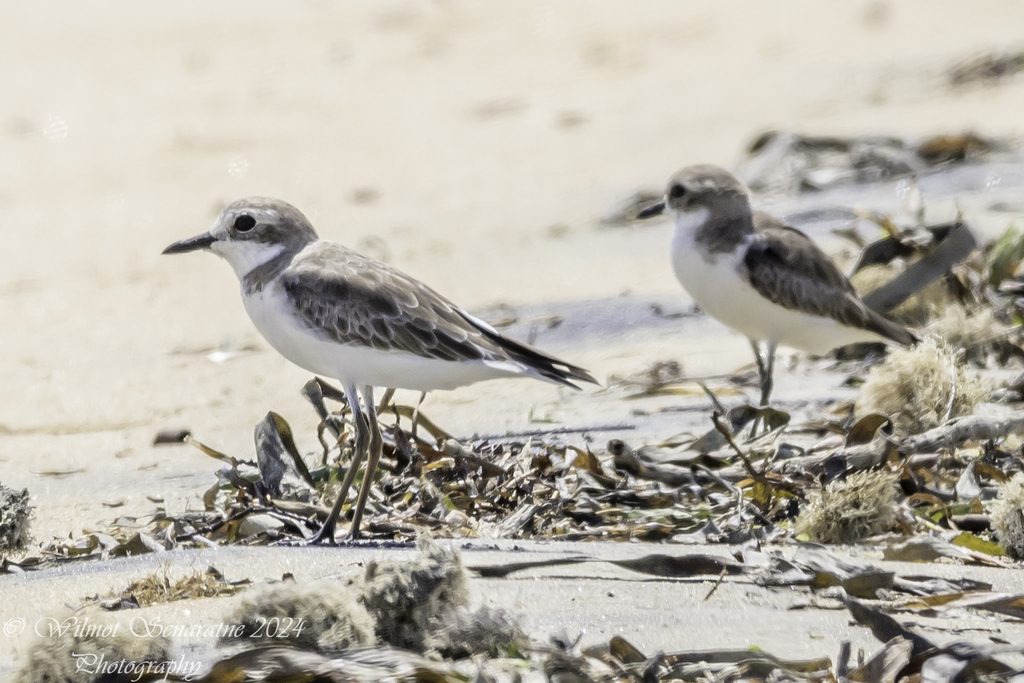
Photo: wilmotsenaratne · CC0 1.0
Anarhynchus leschenaultii
Basic stats
Habitat
Semi-desert when breeding; sandy beaches in winter
Range
Breeds from Turkey through Central Asia; winters in East Africa, South Asia and Australasia
Size
19–22cm
The greater sand plover is a chunky plover, 19–22cm long, slightly larger than a common ringed plover and noticeably long-legged and thick-billed. Breeding males have a sandy buff back, white underparts, a black eye mask and a variable orange breast, forehead and nape; females are duller and greyer, and winter and young birds are browner with only a hint of rufous on the head. The legs are greenish-yellow and the bill black. In every plumage it is very like the Siberian and Tibetan sand plovers, though size and structure help in mixed flocks (Wikipedia, general species account).
It breeds in the semi-deserts of Turkey and eastwards through Central Asia, nesting in a bare scrape on the ground, and is strongly migratory, wintering on sandy beaches in East Africa, South Asia and Australasia. Three subspecies are recognised, differing in bill size and the strength of the summer breast band. Like most of its relatives it was until recently placed in the genus Charadrius. SoIB 2023 lists it as a winter migrant in India but gives no trend or priority (Wikipedia, general species account; SoIB 2023).
Quick answers
- What habitat does the Greater Sand Plover live in?
- Semi-desert when breeding; sandy beaches in winter
- Where is the Greater Sand Plover found?
- Breeds from Turkey through Central Asia; winters in East Africa, South Asia and Australasia
- How big is the Greater Sand Plover?
- 19–22cm