
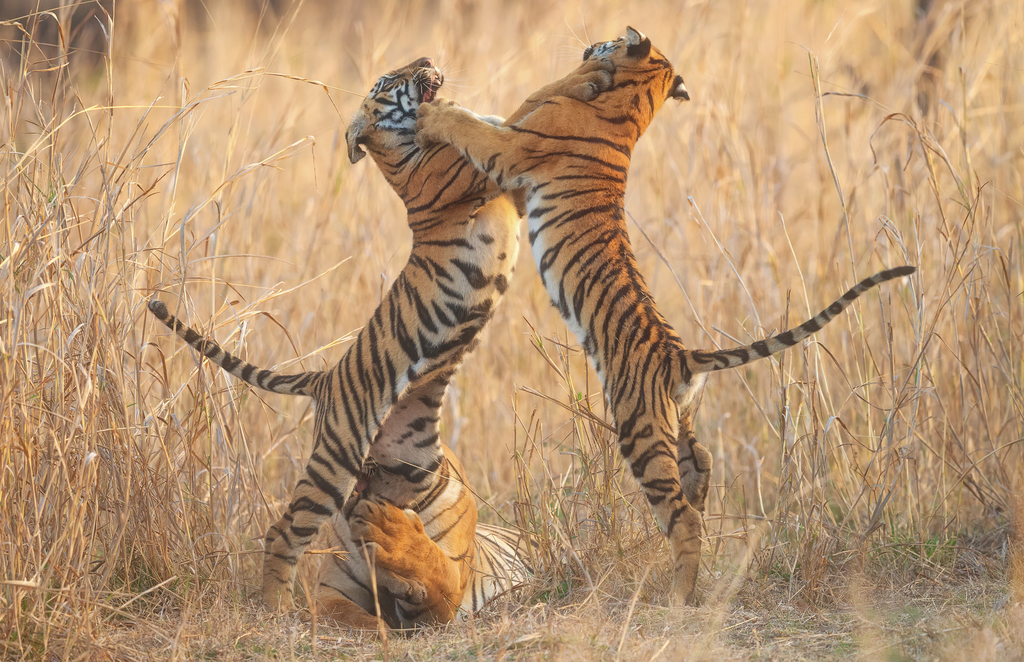
Mammal · Cats
Meet the tiger
India holds around three-quarters of the world's wild tigers, from the mangroves of the Sundarbans to the dry forests of Rajasthan.
Meet the tiger Wildlife
Mammal · Cats
India holds around three-quarters of the world's wild tigers, from the mangroves of the Sundarbans to the dry forests of Rajasthan.
Meet the tiger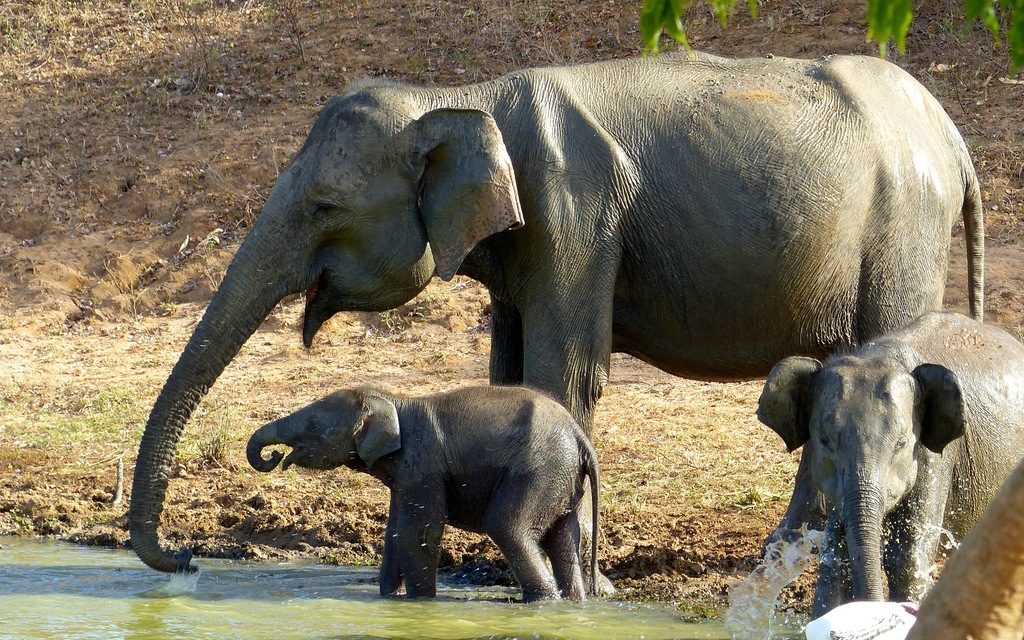
Mammal · Elephants
Most of the world's Asian elephants live in India, moving between forests along corridors that are older than any road.
Meet the elephant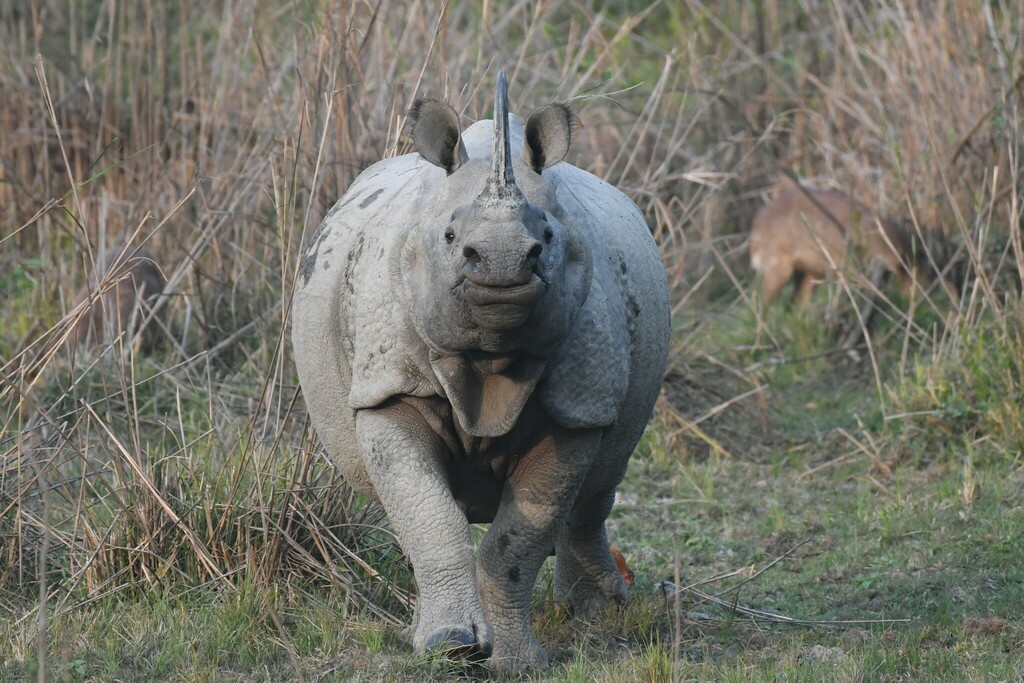
Mammal · Rhinos
Brought back from fewer than 200 animals a century ago, the rhinos of Kaziranga's floodplain grasslands are one of Asia's great recoveries.
Meet the rhino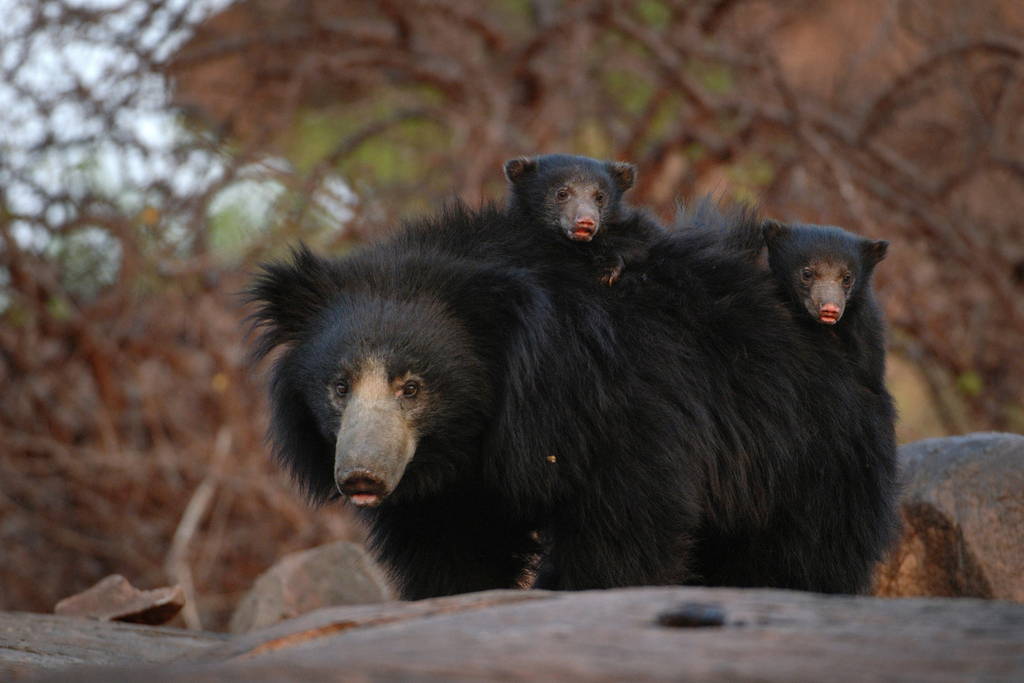
Mammal · Bears
A termite specialist with a shaggy coat and a vacuum-like snout; mothers carry their cubs on their backs for months.
Meet the sloth bear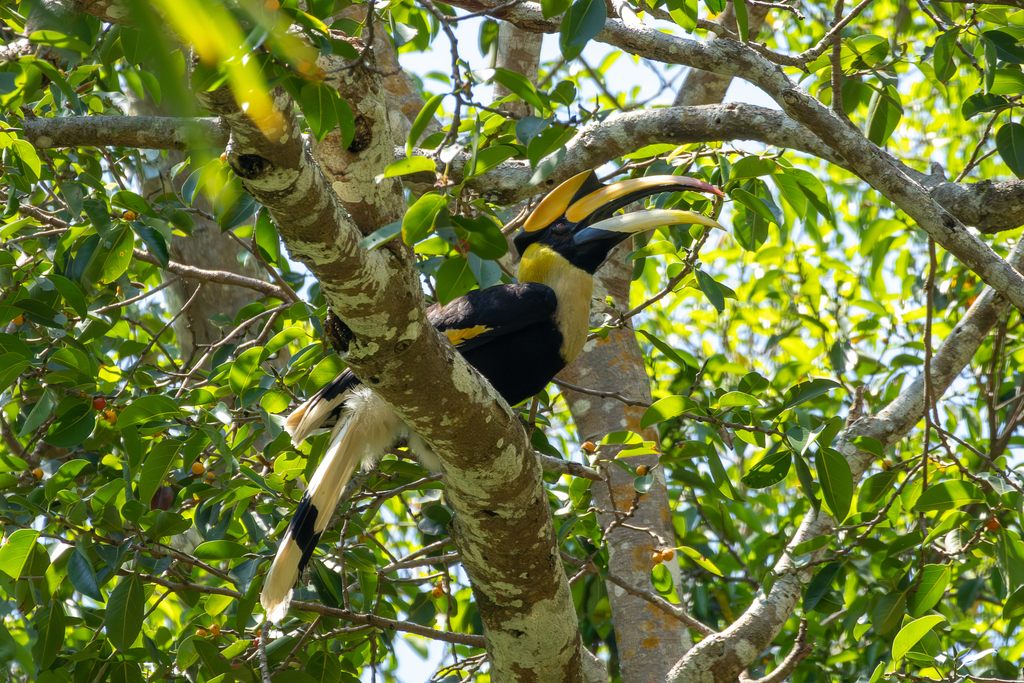
Bird · Hornbills
The giant of the Western Ghats and northeast forests, whose wingbeats can be heard long before the bird is seen.
Meet the hornbill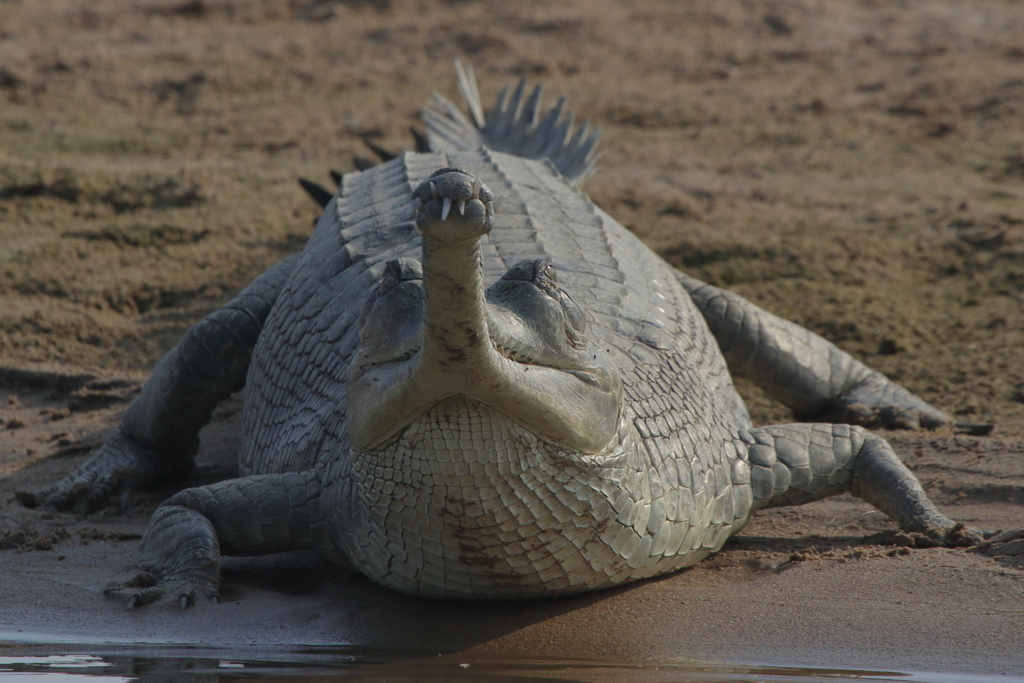
Reptile · Crocodiles
A slender-snouted fish-eater of fast rivers, now found almost only in India, with the Chambal river as its stronghold.
Meet the gharialA free field guide to 2,903 animals in India: photos and identification notes for 437 mammals, 1,228 birds, 471 amphibians, 404 lizards, 327 snakes and 36 turtles and crocodiles, plus 41 of the best places to see wildlife in India, a trip planner and a personal sightings log. Free, with no sign-up.
3,000+ mammals, birds, reptiles and amphibians
Wildlife of India is a free online field guide to the wildlife of India: 2,903 species (437 mammals, 1,228 birds, 471 amphibians, 404 lizards, 327 snakes and 36 turtles and crocodiles) with photos and identification notes, 41 places to see wildlife, a trip planner and a personal sightings log. It is part of Wildlife of Everywhere, a family of free guides to Asia's wildlife destinations.
Highlights include Tadoba-Andhari Tiger Reserve (Maharashtra), Kaziranga National Park (Assam), Hemis National Park (Ladakh), Great Himalayan National Park (Himachal Pradesh) and Singalila National Park (West Bengal, Darjeeling). The guide covers 41 places in all, each with the species it is known for and tips for visiting.
The guide's best places for the Tiger are Tadoba-Andhari Tiger Reserve, Kaziranga National Park, Nagarhole National Park & Kabini and Periyar Tiger Reserve. Dry teak forest around lakes in eastern Maharashtra, and one of the most reliable parks in India for tigers in recent years.
The guide's best places for the Asian Elephant are Kaziranga National Park, Nagarhole National Park & Kabini, Periyar Tiger Reserve and Anamalai Tiger Reserve & Valparai. Floodplain grassland, marsh and forest on the south bank of the Brahmaputra, and a UNESCO World Heritage site.
The guide's best places for the Greater One-horned Rhinoceros are Kaziranga National Park, Manas National Park and Dudhwa National Park. Floodplain grassland, marsh and forest on the south bank of the Brahmaputra, and a UNESCO World Heritage site.
Yes. The guide is free with no sign-up, and works in any phone, tablet or computer browser. Your trip plan and sightings log are saved on your own device.
Species list built from the Mammal Diversity Database, the IOC World Bird List, the Reptile Database and GBIF records. Photos are openly licensed or used with permission; tap the i on any photo for its credit. No conservation status is shown: India has no national Red List yet.
Yes. Use the contribution form to send photos, an album link, a trip report or a species that is missing. Every contribution is checked before it is added, you keep your copyright, and you are credited by name.
Many of India's species still have no photo in this guide. If you have a good, openly licensed photo of one, we would love to use it, with credit.