
 Wildlife
of India
Lesser Short-nosed Fruit Bat
Bats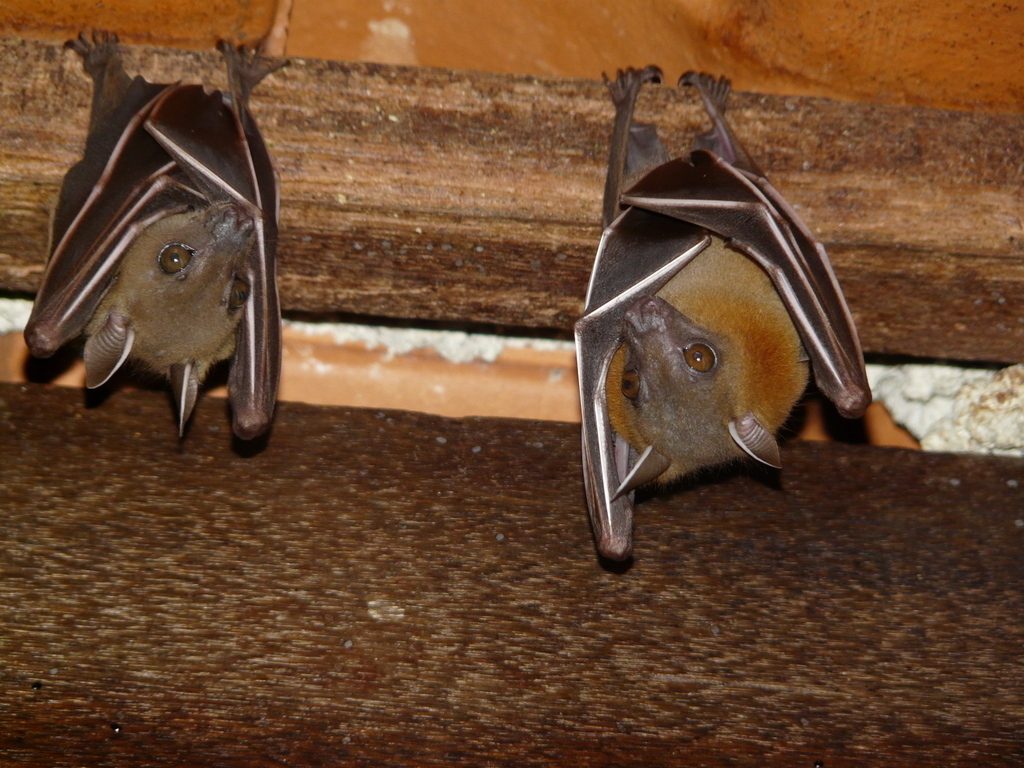
Photo: 2013 Simon J. Tonge · CC BY 4.0 (May be cropped or resized)
Cynopterus brachyotis
Basic stats
Diet
Aromatic fruit, especially mangoes; also nectar and pollen
Habitat
Roosts in trees in small groups
Range
Southwest and northeast India, the Andaman and Nicobar Islands, Sri Lanka and Southeast Asia
Gestation period
About 3.5–4 months
Size
Head and body 7–8cm; forearm 6–7cm
Weight
21–32g
The lesser short-nosed fruit bat, also called the lesser dog-faced fruit bat, is a small fruit bat weighing 21–32 g, with a head and body of 7–8 cm and a forearm of 6–7 cm. It is brown to yellowish brown with a brighter collar, dark orange in males and yellowish in females, and has white-edged ears and wing bones. It prefers aromatic fruit, especially mangoes, extracting the juice and soft pulp, and also takes nectar and pollen (Wikipedia, general species account).
It is widely distributed in southwest and northeast India, the Andaman and Nicobar Islands, Sri Lanka and Southeast Asia, and the Andaman animals are a separate subspecies. Groups roost in trees, with males often roosting alongside up to four females. Males build leaf shelters by chewing palm fronds. Gestation is about 3.5–4 months, and the lifespan is about 20–30 years (Wikipedia, general species account).
Quick answers
- What does the Lesser Short-nosed Fruit Bat eat?
- Aromatic fruit, especially mangoes; also nectar and pollen
- What habitat does the Lesser Short-nosed Fruit Bat live in?
- Roosts in trees in small groups
- Where is the Lesser Short-nosed Fruit Bat found?
- Southwest and northeast India, the Andaman and Nicobar Islands, Sri Lanka and Southeast Asia
- How long is the gestation period of the Lesser Short-nosed Fruit Bat?
- About 3.5–4 months
- How big is the Lesser Short-nosed Fruit Bat?
- Head and body 7–8cm; forearm 6–7cm
- How much does the Lesser Short-nosed Fruit Bat weigh?
- 21–32g