
 Wildlife
of India
Little Gull
Gulls, Terns & Skuas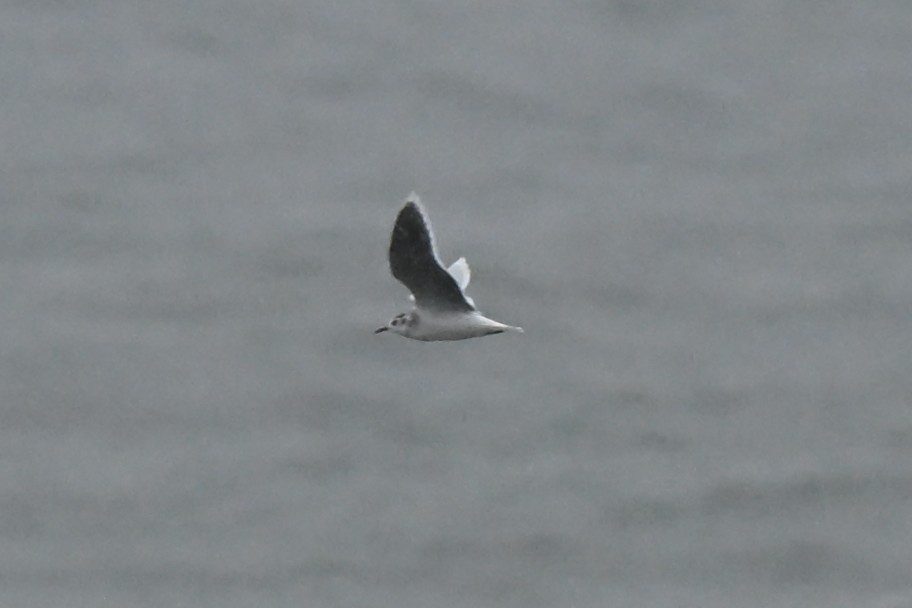
Photo: (c) Oscar Hazell, some rights reserved (CC BY) · CC-BY (May be cropped or resized)
Hydrocoloeus minutus
Basic stats
Diet
Vertebrates and carrion
Habitat
Breeds on freshwater lakes and marshes; winters at sea
Range
Palearctic, with small colonies in North America; winters on European coasts to the Mediterranean, Black and Caspian Seas
Size
24–28cm; wingspan 62–69cm
The little gull is the smallest gull species in the world, with a body length of 24–28 cm and a wingspan of 62–69 cm. Breeding adults have a black hood, a dark red bill, bright red legs and sometimes a rosy flush on the underside; in non-breeding plumage they have a black cap and ear spot, white underparts, a black bill and duller red legs (Wikipedia, general species account).
It breeds on freshwater lakes and marshes and winters at sea, and has a wide Palearctic distribution, breeding from northern Scandinavia and the eastern Baltic to eastern Siberia, with small colonies around the Great Lakes in North America. It is migratory and winters along European coasts as far south as the Mediterranean, Black and Caspian Seas. Egg laying begins in mid-June, and it commonly nests among other gulls and terns in mixed colonies. The cached account gives no detail specific to India. SoIB 2023 lists it as a bird of uncertain migratory status in wetland that eats vertebrates, without a priority category (Wikipedia, general species account; SoIB 2023).
Quick answers
- What does the Little Gull eat?
- Vertebrates and carrion
- What habitat does the Little Gull live in?
- Breeds on freshwater lakes and marshes; winters at sea
- Where is the Little Gull found?
- Palearctic, with small colonies in North America; winters on European coasts to the Mediterranean, Black and Caspian Seas
- How big is the Little Gull?
- 24–28cm; wingspan 62–69cm