 Wildlife
of India
Sources & photo credits
Where the species list and photos come from.
About this guide
A growing, species-first field guide to the wildlife of India: mammals, birds, reptiles and amphibians. This edition lists about 2,900 species, about 1,000 of them with photographs.
How the species list was built
Each group comes from an open reference list, checked against GBIF records for India (retrieved September 2026):
- Mammals: species the Mammal Diversity Database lists for India.
- Birds: IOC World Bird List species with records in India.
- Reptiles: species whose Reptile Database range includes India.
- Amphibians: a published list of India's amphibians, plus GBIF records.
Species known only from a handful of GBIF records are included as possible vagrants but still need checking, and some may be removed. Domestic animals, fossils and zoo records were left out. Common names follow the same lists; where a species has no English name, its scientific name is shown.
"Found only in India" is based on the range given in those lists and has not yet been assessed for amphibians.
Why there is no conservation status
India does not yet have a national Red List for its vertebrates (one is being prepared), and this guide does not substitute global IUCN categories for a national assessment. So no status label is shown. Many species here are protected under India's Wildlife (Protection) Act regardless.
Reference sources
- Mammal Diversity Database: mammal taxonomy and country ranges (CC BY 4.0)
- IOC World Bird List: bird names and taxonomy
- AviList: The Global Avian Checklist © 2026 by the AviList Core Team, licensed under CC BY 4.0: used to check current bird names and to note where it treats a species as a subspecies of another
- The Reptile Database: reptile taxonomy and distribution (via Catalogue of Life, CC BY 4.0)
- GBIF · India: occurrence records used to check the lists
- Ministry of Environment, Forest and Climate Change: protected areas and wildlife law
mammalwatching.com

Mammal Watching (mammalwatching.com) is a community website for people who watch wild mammals, founded in 2005 by Jon Hall. It brings together trip reports, a directory of sites and guides, a forum, a global mammal checklist, a library of mammal sound recordings and gear advice. Its trip reports are a useful companion when planning where to look for a particular species.
The site includes many examples of how responsible mammal-watching tourism brings income to places with few other sources, giving local people a reason to protect wildlife. These include Brazil's Pantanal, where ranchers now earn more from jaguar tourism than from cattle, and visits that have helped fund research on mandrills in Gabon and spectacled bears in Ecuador. Sightings recorded by mammalwatchers have also documented range extensions, new country records and rediscoveries of "lost" species.
Trip reports
Field trip reports from Jon Hall of mammalwatching.com, Royle Safaris and Cat Expeditions, reproduced in full with the authors’ photographs. Every photo is credited to its photographer.
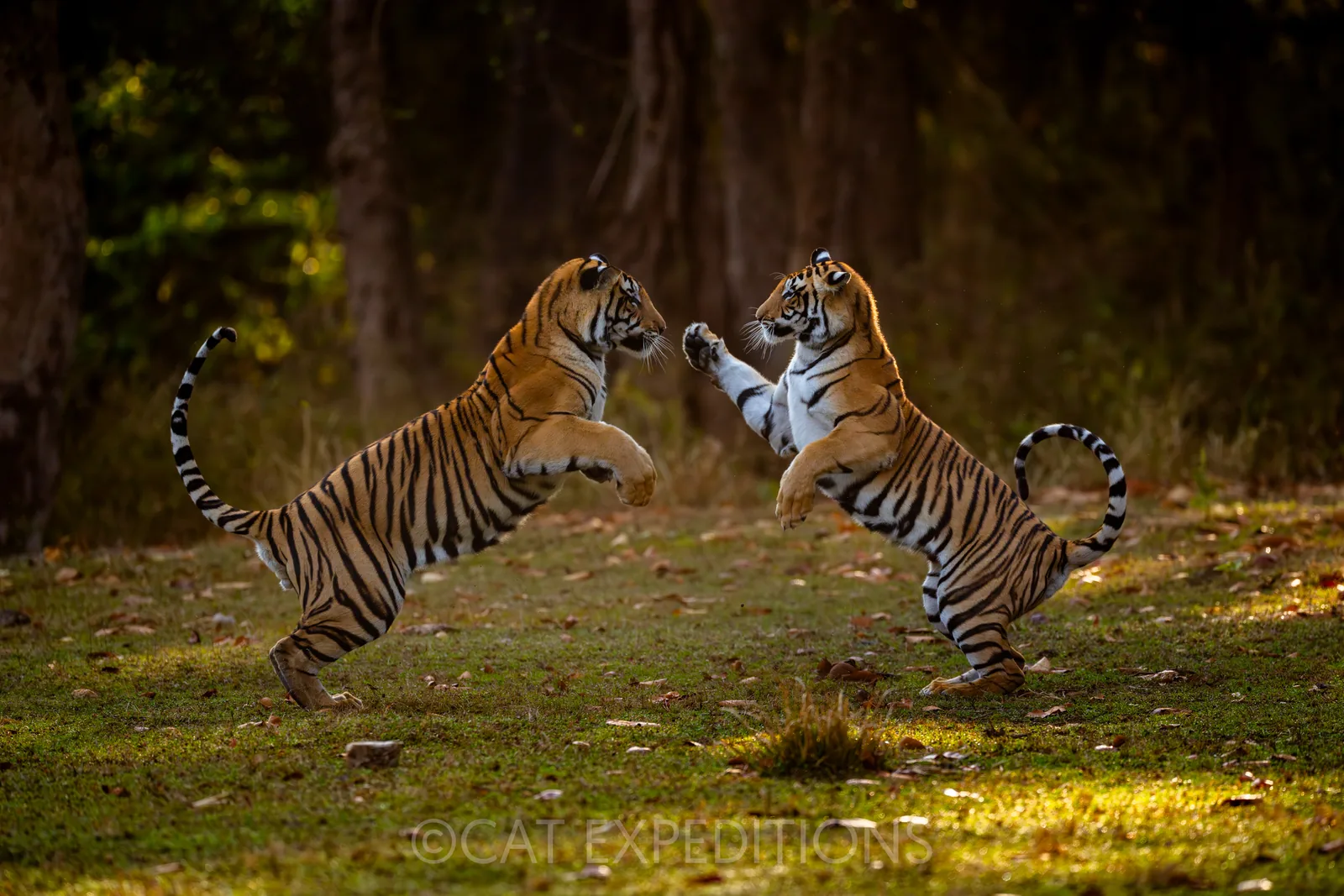 Trip report · Cat Expeditions · 2024Tigers of India Photo Tour 2024: Bandhavgarh and KanhaCat Expeditions’ 2024 photo tour of Madhya Pradesh: 18 tiger sightings across Bandhavgarh and Kanha, including a female with two 18-month-old cubs playing and climbing trees, plus five sloth bear sightings, a leopard, 18 mammal species and 81 birds.
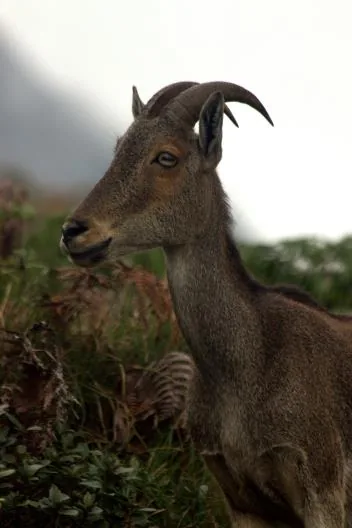 Trip report · Royle Safaris · xSouth India and Tadoba in April and May 2017: 57 mammals, Lion-tailed Macaque, Nilgiri Tahr and tigersIn April and May 2017 Royle Safaris director Martin Royle led a 21-day South India's Forests tour with a Tadoba tiger extension. The group recorded 57 mammal species, a Royle Safaris record for an Indian trip, and over 180 birds, including at least 8 Tigers, a tigress with four 15-month-old cubs, a huge Leopard up a tree in Nagarhole, Sloth Bear, Dhole, 8 primates including Lion-tailed Macaque and Nilgiri Langur, Nilgiri Tahr, Grey Slender Loris and Indian Giant and Travancore Flying Squirrels. The report has a day-by-day account and species lists.
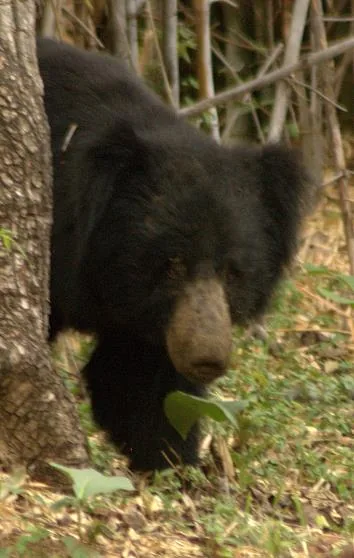 Trip report · Royle Safaris · xTadoba in June 2015: eight tiger sightings, sloth bears and Four-horned AntelopeIn June 2015 Royle Safaris director Martin Royle led a 7-day Tadoba's Tigers tour. The group had 8 Tiger sightings (5 different animals, including the huge male Scarface), 3 Sloth Bears, 18 mammal species including Four-horned Antelope, Indian Tree Shrews, Indian Pittas getting ready to nest and nearly 100 birds, and caught a tigress on camera traps in the lodge grounds. The report has a day-by-day account and species lists.
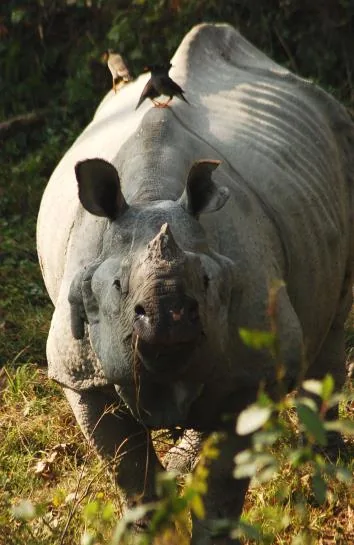 Trip report · Royle Safaris · xKanha, Kaziranga and Chitwan in January 2014: tigers, rhinos and a Gangetic river dolphinIn January 2014 Royle Safaris director Martin Royle led a 19-day tour of Kanha, Kaziranga and Chitwan in India and Nepal. The group saw 25 mammal species and over 170 birds, including Tiger (two cubs with their mother at a sambar kill in Kanha, and a tigress stalking deer), nearly 100 Greater One-horned Rhinos, Gangetic River Dolphin, Gharial, Mugger and Perny's Long-nosed Squirrel. The report has a day-by-day account and species lists.
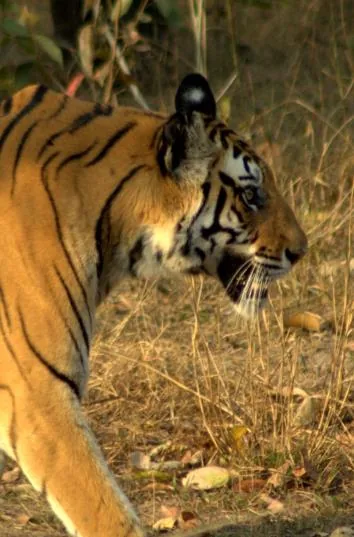 Trip report · Royle Safaris · xSatpura, Bandhavgarh, Panna and Varanasi in January 2013: sloth bears, leopards and tigersIn January 2013 Royle Safaris director Martin Royle led a 22-day Little Known India tour through Satpura, Bandhavgarh and Panna in Madhya Pradesh, with a Varanasi extension. The group recorded 30 mammal species and over 180 birds, including 5 Sloth Bears (a mother and cub in Satpura), 4 Leopards in Satpura, Tiger, Indian Tree Shrew, both Central Indian civets, 4 owl species and a 4 m Mugger Crocodile. The report has a day-by-day account and species lists.
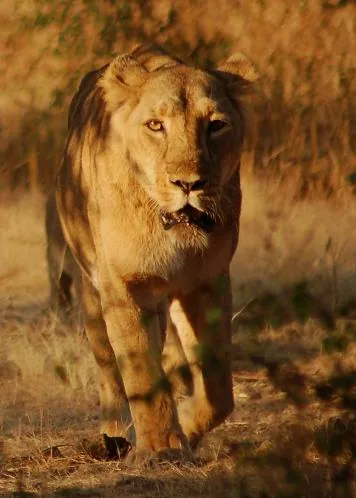 Trip report · Royle Safaris · xGujarat in December 2013: Asiatic Lion, Striped Hyena, desert cat and desert foxIn December 2013 Royle Safaris director Martin Royle led a 16-day Gujarat Desert Mammals tour through the Little Rann and Great Rann of Kutch, Gondal, Gir and Velavadar. The group saw 29 mammal species and over 190 birds, including Asiatic Lion (a male at a nilgai kill and two females with 4-month-old cubs), four sightings of Striped Hyena, Jungle Cat, Desert Cat, Desert Fox, Indian Fox, Blackbuck, Red Sand Boa and Indian Soft-shelled Turtle. The report has a day-by-day account and species lists.
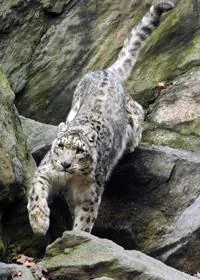 Trip report · Royle Safaris · xLadakh snow leopards, Corbett and Gir in November 2011: three snow leopards in HemisRoyle Safaris director Martin Royle led the 16-day Kingdom of the Snow Leopard tour in November and December 2011, with Corbett and Gir extensions. From Leh the group hiked Hemis National Park with Snow Leopard Conservancy guides and saw three Snow Leopards, including two in the new Ullay Valley, plus stone martens, mountain weasels, Asiatic Ibex, Golden Eagles, Lammergeiers and Himalayan Griffon Vultures. The report has a day-by-day account and full species lists.
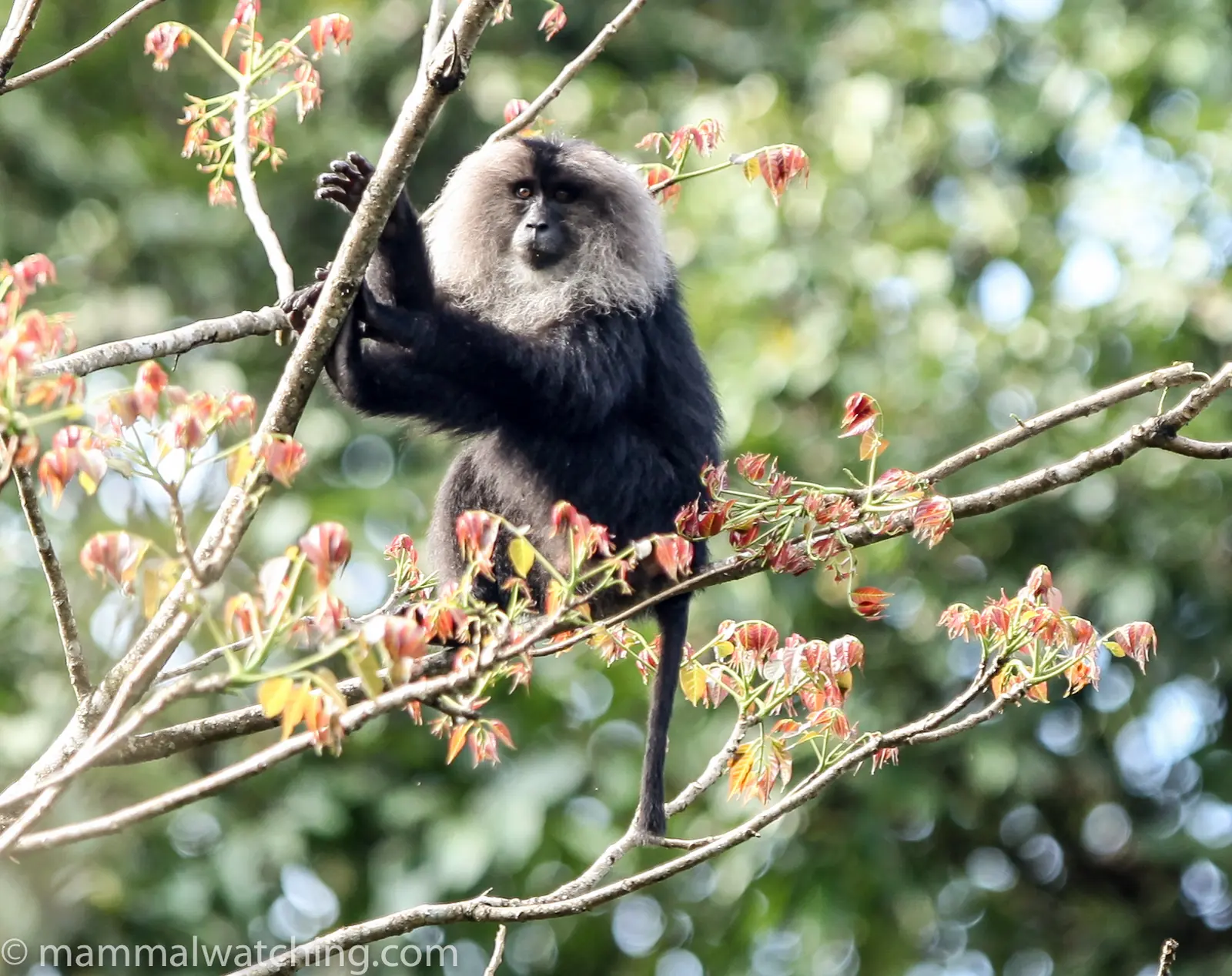 Trip report · Jon Hall · 2011The Western Ghats and Mumbai in 2011: Lion-tailed Macaque, Nilgiri Tahr and cave batsIn October 2011 Jon Hall spent twelve days in southern India, starting with the bat caves at Elephanta and Kanheri near Mumbai, then travelling through Kerala, Tamil Nadu and Karnataka. He recorded 39 mammal species, including Lion-tailed Macaque, Nilgiri Tahr, Nilgiri Langur, Indian Giant Flying Squirrel and Sloth Bear, and calls it his favourite trip to India. The report gives a day-by-day itinerary and a full trip list.
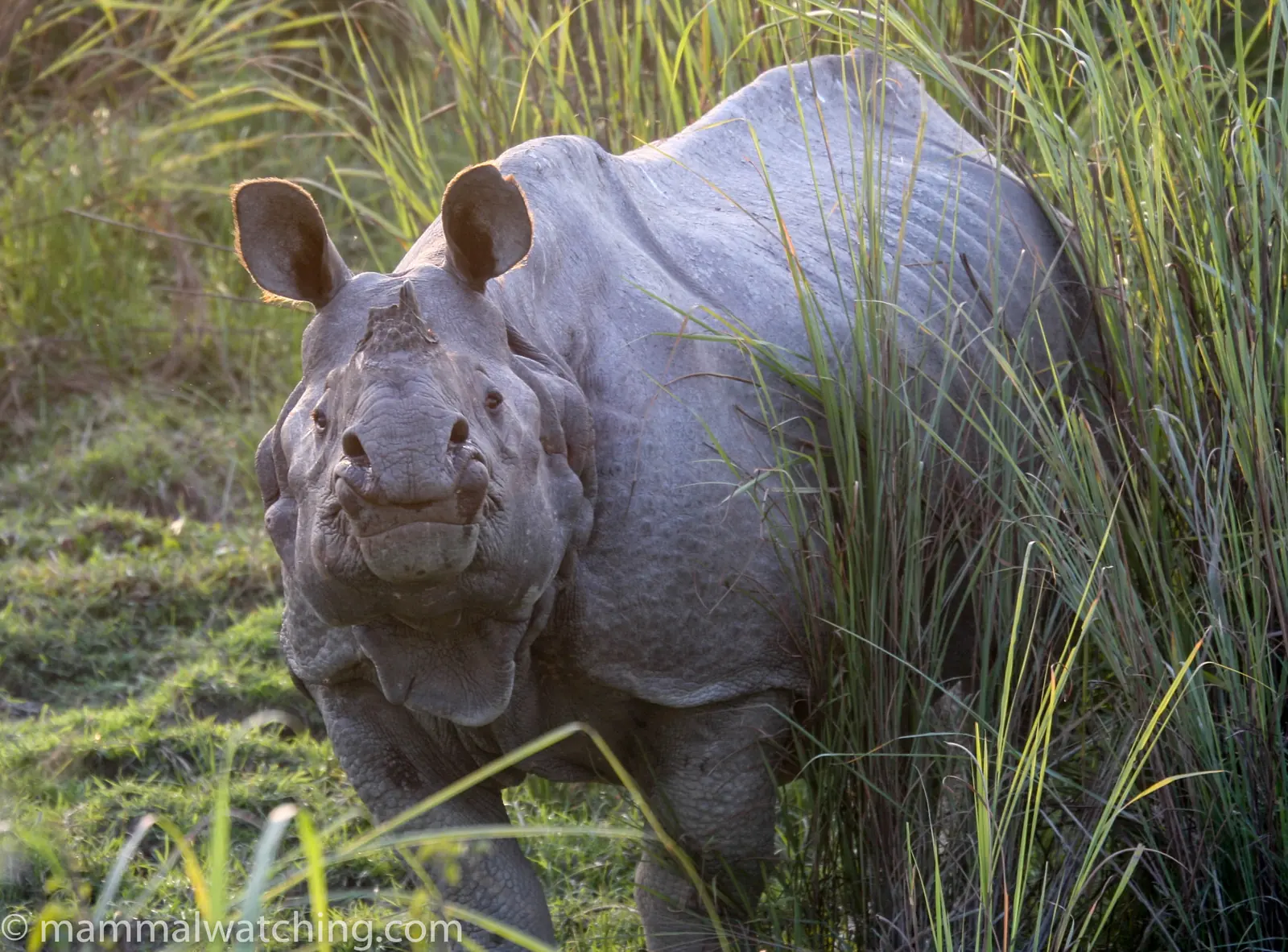 Trip report · Jon Hall · 2008Assam in 2008: Hoolock Gibbons, rhinos and wild buffalo at Manas and KazirangaIn December 2008 Jon Hall extended a trip to Bhutan with a few days in Assam, crossing the border at Gelephu with a local guide and driver arranged through Wild Grass Resort. He visited Royal Manas, Kaziranga and the Gibbon Wildlife Sanctuary, saw the Hoolock Gibbon, Indian Rhinoceros and Wild Water Buffalo he was after, and recorded 23 mammal species including Dhole and Capped Langur.
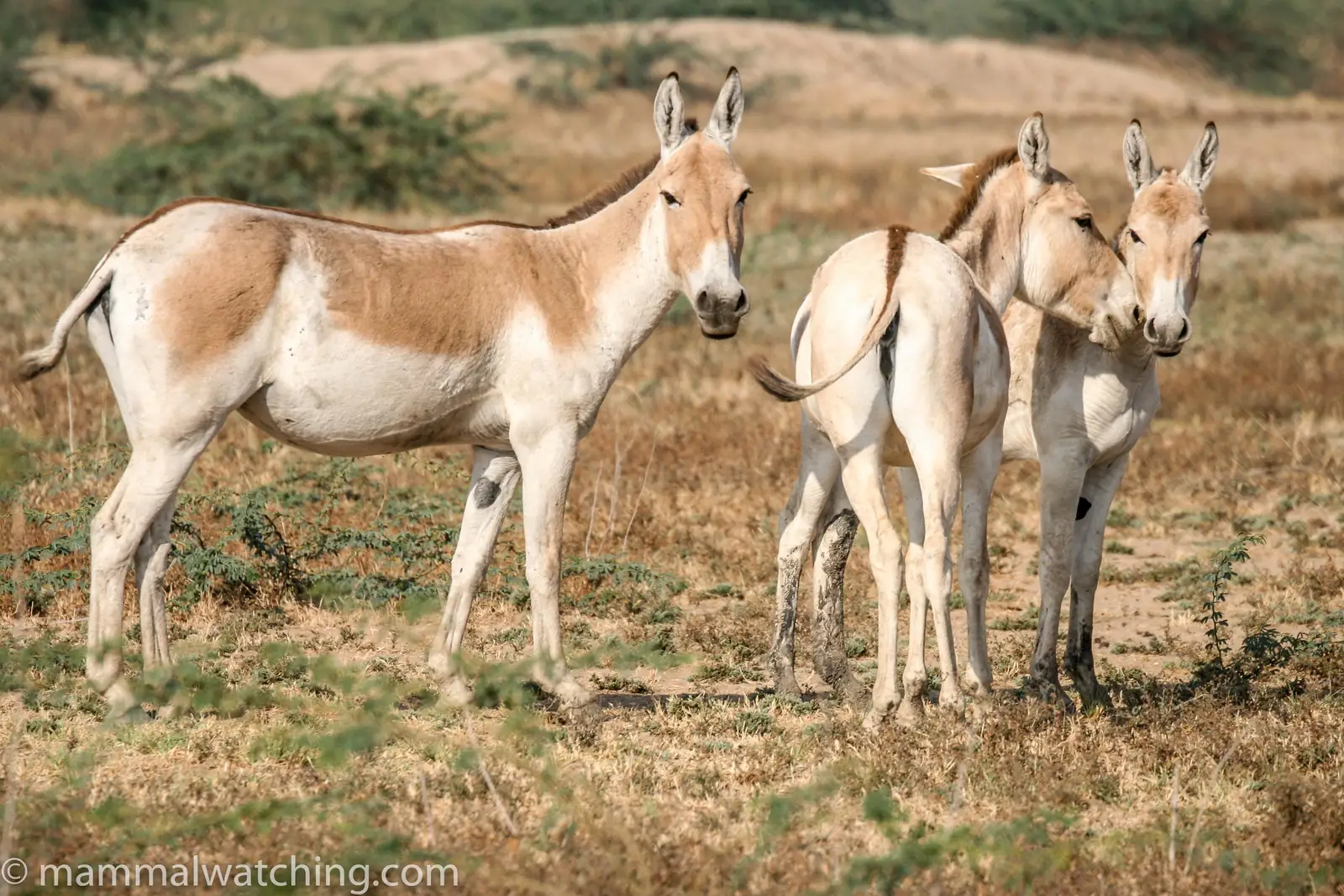 Trip report · Jon Hall · 2007Gujarat and Agra in 2007: dolphins, wild asses, lions and hyenas, a mammal-watching trip reportIn February 2007 Jon Hall spent just over a week in northern and western India, aiming for Gangetic River Dolphin, Asiatic Wild Ass and Striped Hyena. His route ran from Chambal and Bharatpur to the Rann of Kutch, Gir and Velavadar, and he recorded 36 mammal species, among them Asiatic Lion, Indian Wolf, Blackbuck and several desert rodents. The report also reviews his ground agent and finishes with a full trip list.
Planning a visit
Park entry rules, safari bookings, fees and seasonal closures (many parks close for the monsoon) change often and differ from state to state. Check with the park's own booking site or your operator before you travel rather than relying on the details here.
Wildlife sightings are never guaranteed. The species listed for each place are what is realistically possible there, not what you should expect on a given day.
Your plans and sightings
Your trip plan and sightings are saved in this browser, on this device only. We never see them. Clearing your browser data will clear them too, so download the PDF if you want a copy to keep. Email buttons open a draft in your mail app; nothing is sent until you send it.
Photo credits
Most photographs come from iNaturalist and Wikimedia Commons under CC0, CC BY or CC BY-SA licences; the rest were taken by the Wildlife of Everywhere team or are used with the photographer's permission. Each one keeps its photographer's name, licence and a link to the original.
Photographs are chosen to show the species clearly, so many were taken elsewhere in its range rather than in India. Tap the i on any photograph to see who took it. The full list is below.