
 Wildlife
of India
Tadoba in June 2015: eight tiger sightings, sloth bears and Four-horned Antelope
Trip report by Royle Safaris · June 2015
Tadoba’s Tigers
Destination: Tadoba NP, India Duration: 7 Days Dates: 3rd – 9th Jun 2015
Finding and watching a total of 8 Tigers (5 different animals) on the tour
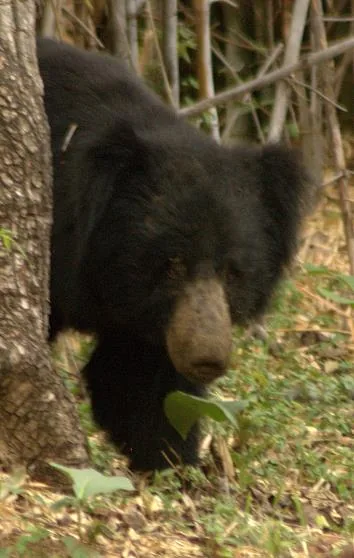
Seeing a total of 3 different Sloth Bears including a great sighting of one feeding
Capturing a female Tiger wandering through our Lodge grounds on Camera Traps
Seeing nearly 100 different species of birds throughout the tour
Observing 18 different species of mammals including a rare Four-Horned Antelope
Enjoying many jeep safaris and exploring various areas of Tadoba’s diverse park
Watching two 18 month old cubs playing and resting a pool in the heat of the day
Having many sightings of the elusive Indian Tree Shrews in Tadoba National Park
Seeing possibly the largest Tiger in Asia in the huge male Scareface
Having some excellent sightings of many Indian Pittas getting ready to nest
Tour Leader / Guides
Overview
Martin Royle (Royle Safaris Tour Leader) Avijit (Ground Agent & Local Naturalist) Bharat (Delhi Guide) Chandrapaul (Delhi Logistics) Babu (Delhi Driver) Gaus (Nagpur - Tadoba Driver) Alancu & Arkush (Tadoba Jeep Driver) Amreet (Lodge Owner & Substitute Guide) Prakash, Ravi, Arjun & Dev (National Park Guides)
Day 1: Delhi
Days 2-6: Tadoba NP
Day 7: Delhi
Day 8: Home
Day by Day Breakdown
Overview It is hard to imagine a world without wild tigers, a world without the largest species of cat, a world without the majestic beauty of the orange and black predator. Unfortunately is just as hard to imagine a world were tigers roamed from Turkey to Korea, Iran to Indonesia, a world where there were around 40,000 tigers in India alone! But this was the world only 100 years ago. For the vast majority of people alive today the tiger has always been a rare and endangered species. To try and think of the tiger as common or widespread is to think of a time when a hunter could easily kill 20 in a day! We missed the boat with tiger conservation, no country took any steps to ensure their continued survival until the 1940’s when a Russian scientist claimed only a handful remained in the Russian Taiga forest and barely anything was done until a survey in the 1970’s brought back worrying findings from India. With a population in India of only around 1,500 and extermination from 50% of their historic range the fate of the tiger was firmly hanging in the balance. India started the conservation work by initiating Project Tiger and by creating numerous Tiger Reserves around the country, fully guarding the parks and ploughing millions of dollars into the project the numbers increased. In fact the numbers peaked in 1989 to 4,334 in India. The project was working and tigers were coming back strong. This was of little surprise to scientists who predicted that with protection and an adequate prey base the tigers fast breeding, relatively large litters and high survival rate would mean they would repopulate quickly if given the chance. However the project and for the most part the conservation world took their eye of the ball and the flow of money to the parks and guards began to waver and the same people who were once employed to protect the tiger were now having their heads turned by Chinese smugglers offering them massive paydays for dead tigers. A survey in 2006 found that the number of tigers had fallen to 1,411 a 60% decline since 2002, this data coupled with the fact that several ‘Tiger Reserves’ had no tigers left inside them and an independent study finding that the tiger’s habitat globally had continued to decrease and was only 7% of its former range; left Project Tiger with no choice. The project began to plough money into the project again and in effect had to start from scratch. This time international agencies like WWF and TOFT were more heavily involved and the most recent survey suggests a 12% increase and tiger numbers of 1,706 in India in 2011 and since then a further increase has been recorded in 2014 to 2,226. However India has a track record for over estimating tiger numbers, particularly when the rest of the world is looking at them for good news. But even if the true extent of the figures is exaggerated the increasing trend is a positive and one that looks set to continue as the level of conservation and awareness is not waning in India. The news for tigers is also good elsewhere with the Russian Far East increasing its population from 40 to over 400 since the 1940’s, with tiger conservation in Burma, Thailand and Indonesia taking centre stage with large tiger preserves opening up as well increasing numbers in Nepal and the ambitious Terai Arc Landscape project (Tiger Corridor) in the Himalayan foothills taking form quickly. The plight of the tiger is still precarious but at least things seem to be looking up. If we can get China on board then the fate of the tiger could be ensured for many more generations yet. But it is still a fight and a fight that is being fought on many levels, and not the least through eco-tourism and promoting the tiger as a valuable commodity for local people, regional governments and whole national economies. This tour takes us to one of India’s newest tiger watching hotspots and is a great example of spreading the wealth from tiger tourism to parks and regions that were previously overlooked in favour of the 3-4 parks that had the best results. But all tiger reserves can have the same level of sighting should tour operators and tourists alike spend the time to promote and visit them. Tadoba Andhari National Park is in the state of Maharastra and is relatively close to some of the largest cities in Western India, but despite the heavy tourist numbers the population of around 60 tigers is thriving and the sightings are very good. We would have a week here and hope to see some of the parks tigers as well as a wealth of other wildlife.

After picking up Ian and Teresa from the airport we went back to the hotel to check in and freshen up before Bharat our Delhi cultural guide took them out around some of the cities iconic sites. First they visited Old Delhi was the walled city of Delhi constructed by the Mughal Emperor Shah Jahan (constructor of the famous Taj Mahal) in 1639. It was made the capital of the Empire and over took Agra as a result. The city was once filled with opulent mansions and elegant gardens but now most of these have disappeared and the manic craziness of the rest of Delhi has
invaded. This all adds its own charm to the place and certainly gives you an ‘Indian city experience’ whilst exploring some of the most beautiful and culturally significant monuments in India. Amongst the sites visited were the Jama Masjid, this is India’s largest mosque and one of the largest in the world. Also constructed during Shah Jahan the mosque is capable of supporting up to 25,000 worshippers. Luckily we were not here on a Friday and the mosque was not crowed with worshippers. Exploring either the outside courtyards, inside the prayer hall, or by climbing one of the minarets, stretching some 41m high into the Delhi skyline you see the intricracies that went into every aspect of the building, a very high level of skill was used when making the mosque as all Mughal architecture. Also close by here are the old market streets of Chandni Chowk. This market is one of the busiest areas in Delhi and an experience in its self, we also found a small side street here with some exquisite Jain temples, the intricate carving into solid marble is incredible to behold; but the most startling aspect of this small row of temples was the instant calm and tranquillity that hit you once you stepped off the narrow and busy market street and into the Jain temples. Also in this neighbourhood is the Sikh Gurdwara Sis Ganj Sahib, this is one of the most historical and impressive Gurdwaras in Delhi. Established in 1783 to commemorate the martyrdom of the 9th Sikh Guru, Guru Tegh Bahadur. We were first briefed on the history of the Gurdwara and then entered the prayer room with the singing priests and the holy book. We then visited the enormous kitchen here; one of the best aspects of Sikhism is their encompassing of all religions and races in their belief of providing food and accommodation to anyone of any background for free. It is very inspiring to see people giving up their time to work hard in the kitchens for free in order to provide food for over 70,000 people per week! All of these sites lie just over the road from the imposing and massive Lal Quila (Red Fort), once the centre of Old Delhi and home to the emperors of the Mughal period the huge walls hide vast marble palaces and great museums. The last place that was visited today was the site of Mahatma Ghandi’s assassination on January 30th 1948, only one year after India was granted the independence he worked and campaigned so tireless for. This moving site was a good place to end and on arrival back at the hotel we had a lovely traditional meal in the rooftop restaurant before an early night in preparation for an early start tomorrow and the start of our tiger adventure.

Day 2 Tadoba National Park Travel & Wildlife Watching This morning we left the hotel very early and headed to the airport to catch our flight to Nagpur at 5:20am, the flight was on time and at the airport we met our Indian expert naturalist Avijit Sarkel (Avi) who would join us for the first few days of the tour. The flight was uneventful and once we arrived in Nagpur we collected our luggage and headed to a nearby hotel for breakfast, before continuing the 3 hours or so to Tiger Trails located on the border of Tadoba Andhari National Park and Tiger Reserve. We had chosen this lodge as it is located far away from the major entrance gate to the park, in fact this lodge had its own gate established in the early days of the park and today it only shares this gate with 2 other accommodations, which are spread out over a huge area. The surrounding area is mostly for rice farming and the proximity to the forest results in many wild animals being seen in and around the lodge. On arrival we met the lodge owner and manager, Aditya and his father Amreet. Aditya would be heading to Kenya for a safari tomorrow and we would be left in the more than capable hands of Amreet and his dedicated staff for our duration. We were shown around the lodge and to our rooms before lunch, we were also informed that 2 recently dispersed tiger cubs (a male and female), who had left their mother in January and had seemed to make the lodge grounds part of their territories and that 2 kills had been made in the lodge ground in the two days. So we would have to be careful when walking to and from our rooms, the lodge has a CC video system that monitors the waterholes and forest around the lodge and it is not uncommon to see dhole, sloth bear and even tigers here as well as more common species like the chital, wild boar and gaur that regularly use the lodge for foraging during the night. These reasons are why we chose this quiet and remote lodge, a great setting for exploring this wonderful park. After lunch Martin went with Avi and Aditya to set the camera traps up around where one of the tiger kills was in the hope of getting one of the tigers in the next week or so. To be setting up a camera trap in reasonable hope of getting a top predator such as a tiger, dhole, sloth bear or leopard outside of a protected area in India is very unusual. But that is one of the exceptional aspects of this park and in particular this lodge. When we were setting up the camera traps we heard chital and guar alarm calls, we had disturbed one of the tigers in the area and when the tiger had stood up the animals had been spooked. Then after this we went out on our first jeep safari, once inside the park we headed to the Kosi Canal region of the park and had very good and close northern plains langur sightings next to the road. Watching these primates grooming, playing and resting is always entertaining and the relaxed mood of this troop was very pleasing to see. The youngsters playing gently with each other as the adults lazily groomed or were being groomed is in stark contrast the speed and agility this species shows when a threat is present. But for the moment at least this troop didn’t have a care in the world and quietly went about their business as we watched and photographed for a few minutes. We then continued to the Andhari River where we found a large herd of chital. This is by far the most common large mammal in India and with several tens of thousands in
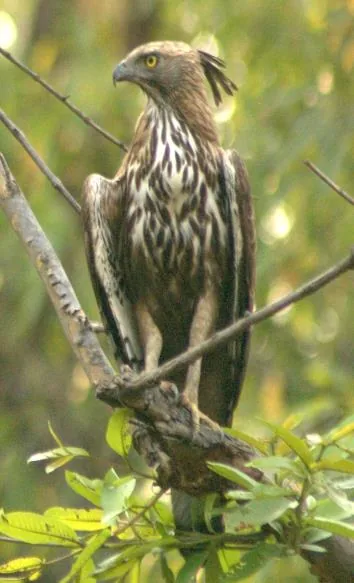
Tadoba alone we would see plenty of the spotted deer. This particular herd had a couple of adult males with the full three tined antlers ready for a rut, they were feeding by reaching up on their rear legs to browse from low lying vegetation. Our next stop was the core area of a female tiger and her 2 near adult cubs, we watched and waited near a promising looking water hole. This time of year the temperatures are very high in India and with the monsoon just around the corner the land is parched and the animals head to the water regularly. The birdlife was very good around the waterhole and including lesser whilstling ducks, cattle, little, intermediate and great egrets, a grey- headed fish eagle, a white stork, purple herons, Indian pond herons and bronze-winged jacanas. As we sat and watched the grey-headed fish eagle perched on a nearby tree a tiger came out of the forest and walked down to the waterhole, waded in and lay down in the cool and refreshing water. The distance was quite far, through the binoculars we could see the tiger well and it was a great way to the start the week’s safaris. The tiger cub lay down in the water until only its head was visible above the water, looking very relaxed we were watching this one when the other cub followed the first out of the forest and straight into the water. This is a male and female cub but from this distance and at their age it was difficult to determine which one was which sex. Their mother was a collared tiger and the scientific researchers following the collared tigers arrived and informed us that the mother was nearby too, no more than 50m from the cubs, so we were hopeful that she would also come out and cool off (she never did whilst we were there). We watched the tigers resting and then playing in the water, standing up and pawing at each other, water splashing and them looking like they were having a great time. We left after around 20 minutes of watching, realising that the mother is probably waiting until sunset and then she may go our hunting (having to provide food for 2 nearly fully grown cubs as well as herself would be a full time job). Not long after leaving we came across some jeeps on the road, we had just missed a different female crossing the road. We waited a while, but with no alarm calls nearby we assumed this female was travelling and therefore unlikely to still be around. We tried to predict her movements and went to a waterhole which she could have been travelling to and waited. Along the way we had more great sightings of chital and also great sambar and wild boar views and then at the waterhole we had fantastic close views of a perched changeable hawk-eagle. At the waterhole this changeable hawk-eagle was perched on the tree overlooking us and a beautiful female sambar deer made for nice watching. Also around here were many Asiatic paradise flycatchers, some of which began to mob the changeable hawk-eagle a little. We waited here for around 15 minutes but the day was getting late and we had to leave the park, on the way out we had a brief view of the stunning and vibrant Indian pitta and were also told about several of the local trees including the laburnum (a common UK garden plant now) and the jamun which is also known as the Indian black plum. We then left the park and went back to the lodge for dinner and well earned nights rest before an early morning trip into the park tomorrow.

Day 3 Tadoba National Park Wildlife Watching Last night there was an early sign of the monsoon, with a great thunder and lightning storm, this did result in cooling the temperatures in general and also kept the dust down on the roads. The morning was overcast and the threat of more rain was never far away. Early on the drive we came across many chital on the road and then a brown-fish owl although this large owl did not stay around long enough for great views. The owl was being mobbed by jungle babblers and took off to find a quieter spot to spend the rest of the day. We also found a large number of sambar and a herd of gaur. The impressive glossy black bodies of the gaur and their white stockings are very elegant and this herd included a large adult bull and several smaller bulls, some of which were having mock fights. Locking horns and using their power and weight in a wrestling match. Learning the valuable skills that will one day result in them gaining their own herd and therefore mating rites. Shortly after leaving the gaur we found a female tiger sleeping on the side of the road, lying in the dry leaves the camouflage was brilliant and a reminder that whilst the forest looks like mostly shades of greens and browns and tigers being orange, black and white they are perfectly coloured for disappearing in the mottled light of the forest. This female is a collared individual and also the mother of the two cubs we saw in the water yesterday. She was in the same vicinity of the water hole and it was very likely that the cubs were also resting nearby. Being around 2 years of age they do not spend all of their time with their mother, but at the same time it was unlikely they that would have dispersed just yet. So we waited and watched her sleeping (rolling over occasionally to change position and sometimes lifting her head up to have a look at the jeeps that where gathering) and hoped that the cubs would come out of the forest and join her. We waited for the best part of an hour, and then the number of jeeps around her began to grow to the kind of number that can make you feel uncomfortable and so we left and went in search of our own tiger. Not wanted to be another of the jeeps that can make life annoying if not difficult for the handful of tigers whose territories are in the main tourist zones of a handful of national parks. On leaving we had great views of a male and female grey junglefowl crossing the road in front of us. We had some great birding sights this morning include white-eyed buzzard, black-rumped flamebacks
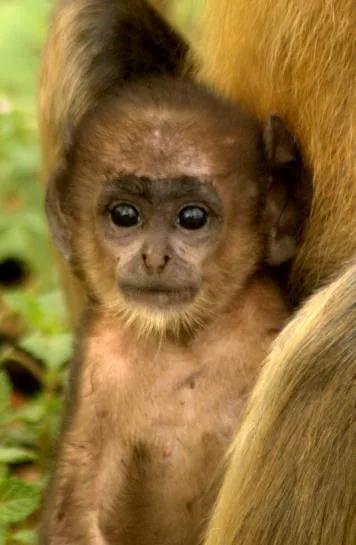
as well as five-lined palm squirrels and then great views of another large troop of northern-plains langur. They were playing, grooming, feeding and resting in equal measure. The langurs are always good fun, when many species will be sleeping, or just eating in one spot the langurs are nearly always up to something that is entertaining to watch. This troop also had some young babies who were running about and trying to engage their mothers into playing whilst refusing to play with the slightly older individuals. Presumably due to the rough nature of these older langurs and the young babies reluctance to leave the close comforts of their mothers. We then started to head back out of the park and on the way we went past the vast Tadoba Lake (the lake that gives the park its name). Tadoba Andhari National Park and Tiger Reserve is so named for the lake (Tadoba Lake) and the hills (Andhari Hills) that dominate the park. Amongst the dozens of egrets and herons that lined the lake shore we spotted one of the many thousand mugger crocodiles that inhabit the lake. This one was around 1.7m long and is around half grown for this species. Then before we returned to the lodge to freshen up and have breakfast we had great sightings of another male grey junglefowl and then nice male nilgai on the road before running off into the forest and out of sight. We then arrived back at the lodge and after breakfast we rested and refreshed before lunch and our afternoon safari back into the park and back on the search for tigers. Back in the park this afternoon we started with a great Oriental honey buzzard sighting on the road drinking from a small puddle and this was followed shortly by a young monitor lizard. We then continued onto some of the same places we had tried yesterday and this morning, checking for fresh prints in the areas we know tigers had been seen, to see and gauge their movements. Some of the smaller lakes and ponds had wonderful bird life including various egrets (great, intermediate and little), as well as Indian pond heron, fulvous and lesser whistling ducks and many more. As we found a grey-headed fish eagle perched in a tree overlooking one of these waterholes we heard two chital alarm calling, this was followed by langur alarm calling. These two in conjunction and both with rapid and repetitive calling was a good indication that a top predator (tiger, leopard or dhole) had been seen in the vicinity. We waited around for a while, but the alarm calls started to fade away and then stop, either the predator had lay down and so was no longer a threat to the chital and langurs or had moved off and away. We then went to check on the local male tiger’s territory and found fresh pugmarks but no tigers. We did however find a male sloth bear foraging parallel with the road and around 2-3m into the forest. We could see the sloth bear moving through and hear the bear as it blow away dust and then sucked up the termites, they have reduced incisors and very flexible lips, so they have a natural hole in their set of teeth at the front and with powerful suction through a flexible mouth enables them to suck up termites by the hundred. They can also smell the termites up to 1m down into the hard and dry ground and then have the strong claws to break down into the ground and get to the subterranean nest. We followed the bear through the forest until the bear came out and crossed the road, the bear had been oblivious to our presence as it was foraging in the forest and then when he came out on the road and saw several jeeps, he was shocked and ran out and crossed the road. We then started to head out of the park and our only further sighting of note was a nice male rock agama with bright blue body and red head. On our return to the lodge and as the sunset and darkness closed in, we had a lot of flying termites emerge and we had to ask the staff to clear Ian and Teresa’s room as the termites descended in their hundreds of thousands and covered their room. However after around 2 hours the millions of insects that had erupted the skies were clear and the leftovers were being collected by all manner of animals, bats took aerial termites as ants, spiders, beetles, geckos and many other small predators collected the dead and dying termites. The next morning it was hard to believe that any of this had happened as all traces of the insect invasion had been eaten by other animals. This mass breeding event a great example of huge food rich event that all animals that can were taking full advantage of. The reason that the termites do this en mass is to make sure that some of the breeding termites mate and survive to start new colonies, the ultimate safety in numbers approach.
Day 4 Tadoba National Park Wildlife Watching This morning started with Martin finding a small brahminy blind snake in the dining room, after taking some pictures and having a good close up look the little fossorial snake was released back into the garden. Quickly after entering the park Martin spotted an Indian tree shrew briefly, today we would be heading to another part of the park in the west. In this region there is a prolific female tiger that currently has 4 cubs, so we would see if we could see her and these cubs this morning. The drive took us past the famous Gond pillars, these large stone structures were constructed in the 15th-16th Centuries as a communication system. There were ropes and bells that were threaded through holes in the pillars. These were pulled when the local king was moving from the town to a temple in the middle of the forest, so that the people at the temple could make arrangements for his visit ahead of his arrival. After quite a distance down this road and along the Gond pillars we came to the western end of the park and straight away we found a guar next to the road and then heard chital alarm calls. We waited but couldn’t see any reason why the chital were alarm calling. We then stopped and watched a male peafowl in full breeding display with the huge colourful tail feathers fully extended and shimmering away. We continued on and found another peacock displaying on the road and as we came to this peacock he had stopped but we found a jeep waiting on the road. One of the female tiger’s 4 cubs had walked out and crossed the road a short while ago. So we stopped and waited to see if the other cubs or the mother were around or this cub would come back out. We then moved onto a waterhole that is commonly used by this female and her cubs, however we were far from the only people with that idea, the waterhole was very busy and we decided not to spend too long here. Our main reason being that even if the tiger did make an appearance the presence of around 25-30 other vehicles would make for a disturbing and
uncomfortable experience. So not wanting to add our jeep and presence to this bad safari practise (one that is unfortunately increasing in India). On leaving this waterhole it felt like we had the rest of the park to ourselves and found a large male sambar, we stopped briefly at a ranger station and heard of a guar kill nearby, we would go and investigate and see if the tiger was still around or if the carcass had attracted any scavengers. There were no predators around and as the temperatures rose above 40oC we left the area and headed back to the lodge for breakfast and a rest. For this afternoon’s safari we headed to the Khathjari section of the park and had some nice female sambar close to the car. There was a little rain, which we welcomed and brought the temperature down a little. Along a rocky section of the park, in fact an old lava flow that makes up part of the vast Deccan Plateau in central India we found a male rock agama posing, followed by some Indian pittas collecting nesting material and then two very intriguing fan-throated lizards. These slender lizards were on the side of the road and very close to our vehicle, their gular pouch (under the throat) being raised and flashed rhythmically as a means of communication. This is done to spend information to rival males about territory as well as attracting females for mating. Further along we found another male sambar this one had its antlers still in the soft velvet just feeding next to the road and we then watched a very protective red-wattled lapwing mobbing and chasing off a langur. Presumably the langur was too close to the lapwing’s nest but whatever the reason the langur was certainly given a scare. So we carried on, coming across a pair of sirkeer malkohas before finding a large troop of langurs including a very young baby at a small waterhole next to the road. This baby was around 2-3 weeks old and very cute as it ventured a little too far from its mother and then quickly ran back to her. Wanting to play but not wanting to leave her for very long, it was fun to watch the youngster face this dilemma. Once again we stayed for a while with the langurs as they make such good subjects. Carrying on further we came to a large fig tree which was heavily marked with sloth bear claw marks, all the way up and down the large trunk and most of the branches (up to around 20m high), the large bee nests hanging from the larger upper branches showing the rich and sweet rewards that awaited any bear brave enough to make the climb. Further on we found a beautiful old bull gaur on his own, these old bulls look enormous, powerful and almost regal with their shiny black coat. But these old solitary males like this are on their own as they can no longer hold their own against the stronger and younger bulls who have dominated the breeding herds. He is now resigned to living out the rest of his life on his own, a peaceful if not very rewarding life (from a genetics point of view). The same stretch of road produced a male and female red muntjac close by (but separate from) each other as well as a young male nilgai. We then had close views of a Roux’s forest lizard on the side of a tree next to the road and then excellent views of a crested serpent eagle perched in a neighbouring tree from the Roux’s forest lizard. The lizard would do well to keep from being detected by the eagle as the eagle is a reptile specialist. Our first view of a large group of sambar came just down the road from the lizard and eagle and then we found a large group of chital near Tadoba Lake, two males were fighting in the group, this rutting behaviour is not schychronised as with deer species in more temperate climates, but the adult male antlers are often free from velvet at this time of year and fights like this break out regularly as the testosterone builds up inside the males. Just on the banks of the lake and close by the fighting male chitals (and several female chital all too occupied in what the males were up to) was a large 2.5m mugger crocodile just basking away. This size crocodile may be impressive to look at, but it is still too small to be a threat to the chital. The afternoon was wearing on so we started to head out, as we hit the main road (that passes through the middle of the park) we saw a couple of jeeps stopped. As we got closer we realised that the collared female tiger was here and walking alongside the road, we followed her walking ahead of (and towards) us as we reversed down the road. She was moving at a pace and with purpose, the sound and the vehicles in front and behind her was of no concern to her and she was most likely heading to a likely hunting ground. The steely look in her eye, the speed and directness of her walk all lead us to believe that she is on a mission and that hunting was her aim tonight. She walked down the road for around half a kilometre, we left the main group of vehicles following her and positioned our vehicle on a side road (a road that no jeeps had access to) and just waited at this junction. Making an educated guess that with so many vehicles around now (this was no closing time for the park and so all of the jeeps had come along here to leave and were not following (or leading) the tiger) she was most likely to leave this main road and head up this narrow side road. If this was the case then we would have great views as she walked ahead and in front of us and away up the road. Will we were in luck. She walked off the main road a little way into the forest, before coming out and right in front of our jeep and off and up the side road. We had the best views and all because we predicted (using our knowledge) the most likely path of the tiger and left her to make her own decisions and not to influence her by pestering her as she was travelling or possibly causing her stress by adding to the growing number of vehicles that were following her from the front and back. Back at the main gate we heard chital alarm calls, these were once again persistent alarm calls and close by, this is most likely a leopard. As they were heard so close to the gate and so many people. But no leopard emerged, there were many jeeps around now with their guides and drivers all chatting to each other and filling out the paperwork, so we left for our own gate and had our evening meal and prepared to do this all over again tomorrow.

Day 5 Tadoba National Park Wildlife Watching Late last night Avi left Tadoba to travel to Bandhagarh and meet some people there and spend a little bit of time before the park was closed for the monsoon. So Amreet came out with us in the morning, shortly after entering the park we found a ruddy mongoose, the sighting was brief but a good one. We then heard grey junglefowl alarm calling and waited. This could have been a second mongoose, as they often travel around in pairs and the first one had come from a similar direction to the alarm calls. It could also be a result of leopard or a python (or a whole host of animals in between), after a few minutes the alarm calls died down and we moved on. We then had good views of a pair of Indian treeshrews on the ground, this usually very elusive mammal was becoming a ready target for us in Tadoba and it was great to see an animal that is so often missed in Central Indian parks and see them interact with each other before bounding off into the forest. We then sat and watched as a red-wattled lapwing gave a full display to warn off a changeable hawk eagle perched in a tree nearby. The most notable sighting so far this morning came when we found another sloth bear, this one was once again moving purposefully through the forest parallel with the road, sniffing out termites underground and then hoovering away the loose dirt before (usually) deciding that the reward was not worth the effort in digging down into the hard earth and move on. We followed slightly behind the sloth bear for around 300-400m until we came to an open area of the forest and watched as the large male bear came out into the open air and noticed us for the first time. Getting spooked the bear moved away through the grass and back into the forest before disappearing. Once again we were getting great views and lots of them of the Indian pitta. This splendidly coloured ground bird is so rarely seen well as they spend nearly all of their life in the dense undergrowth of the forest, foraging around in the leaf litter. But being their nesting season they were out courting, mating and collecting nesting material. All of these activities are done in the open meaning that we were seeing so many Indian pittas and today was no exception. A little repeat of this morning occurred when we saw a ruddy mongoose cross the road followed by grey junglefowl alarm calls (and like before) we waited for the second mongoose to follow the first. But after a few minutes the calls died down and then stopped and we moved away to see what else we could find. What we found next was a female sambar with two fawns (of different ages), they were very peacefully drinking from a puddle in the middle of the road and where not at all perturbed by our presence and we were able to get very close and take great pictures in great light. At Tadoba Lake the numbers of pink lillies in flower was staggering and beautiful, in a large tree in between the road and the lake were a pair of Oriental honey buzzards, this is the mating / nesting season for many species of birds and so it was not uncommon for us to see birding with nesting materials in their beaks or a courting couple of birds in their mating rituals. We were then on our way out the park as the morning was wearing on, but as we passed a big thicket of bamboo (near to where the collared female was seen walking down the road and couple of days ago) we heard sambar alarm calling, we could also see the sambar. There were around 6-7 of the sambar and all of them were intently watching the same area of forest and all were alarm calling. This was the most clear evidence we could have that there was a tiger in the bamboo. Sambar are not spooked easily and they typically do not alarm call for less than a tiger, with so many all alarm calling and all staring in the same direction it would very highly unlikely for there not to be a tiger. So we stayed there, other jeeps began to arrive. Partly because this is India and this tends to be what happens when anything interesting in seen in the park and partly due to the fact that this was on the main road heading out of the park and so all of the vehicles would have to come through this gate to leave. As we waited a forest guard came down on a motorbike from a restricted road that ran away to the backside of the bamboo that the tiger was in. We asked the forest guard if he had seen the tiger, he told us that he was actually there to count the trees and check their diversity. But he did say that the mother of the 2 cubs (the collared female we had seen) had been seen crossing the road and moving into the forest. This was potentially good news as it meant that she was likely still around and could come out but also that the cubs could be close by too. So we waited some more, the alarm calling continued without much let up. Some of the sambar got up and moved away and so a little by little the alarm calling faded, and then without any warning the male cub got up from the bamboo and walked across a gap in the bamboo (right in front of where we had positioned ourselves). We had great, if very short views, of him and the forest guard then came back and told us that the other two tigers (the mother and his sister) were also in the bamboo. However it was getting late and we would be fined and our guide and driver punished if we stayed in the park too much longer and so we left for the gate. Along the way we had views of a brahminy starling with a dead snake in its mouth. Then on arrival back at the lodge a couple of maintenance men who were working on the drive way told us that this morning the resident pack of dhole had come through there on their usual circuit to get some water from the lodge’s waterholes and then move on. But the building work had spooked them (as they usually use the bridge that was being worked on) and then the local farmers had scared them off and away into the far forest. In the afternoon we went back into the park and to the area of the park that the guard had told us the mother and cubs had been seen during the morning. On the way to this area of the park we had great sightings of a ruddy mongoose at a small pool and also an Indian grey hornbill, once we arrived at the waterhole where the tiger had been seen this morning we found that the tiger was not visible so we waited a while, we watched as a male gaur came down to drink. But there was no tiger sighting here this afternoon, so we left. We came across a monitor lizard in a small hole in a tree on the side of the road. Around Tadoba Lake there were many chital drinking and in the shade of the shore side trees. We then went up a rocky road and came to a stand of eerie looking ghost trees, their smooth bark is very while and at this time of year the upper branches and some of the trunk appear pinkish and even bluish in the right light; making for a stunning tree. On the way out of the park we heard that the female with a collar had been seen in the bamboo, so we stopped and waited. But there was would be no tiger sighting for us today, we returned to the lodge after a largely quiet afternoon game drive, at the lodge that even we heard that one of the
tigers had been seen around the lodge grounds today and so to be extra careful when walking to and from our rooms and the dining room. We also watched a sloth bear wander through the lodge grounds on the CCTV system that evening.

This morning we once again travelled to the Kolsai Range, this is the part of the park where the female with cubs can be found. As we travelled down the main road to get there, past the Gond Pillars we saw the common birds such as spotted doves, jungle babblers, Indian robins, oriental magpie robins, Eurasian collared doves and red- vented bulbuls and also a treeshrew and a male peafowl displaying. Near the Andhari River (which is mostly dry at this time of year) we had a good view of a male muntjac. We then travelled through a former village, there was numerous villages inside the park when the area was designated as a national park and so the communities needed to be relocated, there are still 3 villages in Tadoba that have not been relocated yet. This former village has left a large maiden (meadow) which is very good habitat for the chital, whilst moving through here was had great views of a beautiful pied cuckoo. We then found fresh tiger tracks walking along the road and into the forest, so we stopped and waited a while. Listening out for alarm calls and any other tell-tale signs of tiger activity. There were many tracks of tigers around here, including a female and cubs they had walked up and down this road at some point this morning, however it appeared that they had carried on walking as there was no sign of them still being in the area and so we left and carried on drove across the maiden to the far side. Along the way we passed a stand of mango and ghost trees, both of these species are common in the villages and areas of parks which used to be villages as they are planted. In these trees was a small colony of Indian flying foxes, as usual they were jostling and squabbling with each other, the flying foxes seldom seem to stop bickering and get some rest during the day. Hanging with their wings stretched out, using the blood pumping around the veins in the wings to try and cool down or sometimes fanning themselves with their wings. We were told about a wild boar kill by some people in the small run down village here and so went to investigate. We couldn’t get very close to the kill, we could smell it and it was not very far from the road, but the tiger was not still here. So we went to a nearby waterhole which where the tiger was likely to have gone and drank after feeding on the kill. We had our packed breakfast here as we waited for the tiger to make an appearance. We had great peacock display sightings, he was doing everything in his power to impress a particular female who was not interested at all. It is a shame when the male goes to all of this trouble and a stunning dance with spectacular plumage to be completely ignored by the female. But that is the name of the game and he will have to work harder than one performance in order to mate and pass his genes onto the next generation. Leaving the waterhole and slowly making our way back up to the other side of the park we had the best sightings of a ruddy mongoose do far, this one coming out and coming for a good look at us, walking through the forest to the edge and staring at us. This makes a change from the usual viewing which is of the mongoose seeing us and then running into the forest and out of sight. The only other sighting of note this morning was a pair of oriental honey buzzards who were being harassed by some red-wattled lapwings near Tadoba Lake. After lunch we entered the park again, and the birding was very good this afternoon. With black-rumped flamebacks, red spurfowl, Indian rollers, greater racket-tailed drongos, common mynah, black-headed oriole, green bee-eater, Asian paradise flycatchers and many more species. Further into the forest we had our best sambar sighting so far, a bachelor herd of several males, including one very mature and pristine stag. He was in full mating readiness, the old stags often roll around in mud wallows that they have urinated in. By covering themselves in their own pheromone filled urine and caking themselves in mud, and also ripping up vegetation with their antlers and creating collections of leaves, grass and branches on their antlers they are making themselves irresistible to the females. Further along we found another lone bull gaur eating on the side of the road and then a couple of male nilgai. It seemed that only male animals were using this section of road this afternoon. As if in contrast to the huge male sambar we saw covered in urine and mud we saw many smaller and less mature male sambar around this road. Their antlers only one or two tines and very small in comparison. Then our driver showed some excellent vision as he spotted an Asian paradise flycatcher’s nest near the road, this tiny nest made of leaves and spider webs is no bigger than an egg cup and very well camouflaged, the nest was not in use. We also had great wild boar sightings this afternoon with a large group including a huge male and several young, some still having faint stripes, a reminder of their stripy coat when they are very young and vulnerable. We watched the wild boar coming out of their wallow and running away with a couple of sambar during them as they darted into the jungle and away from us. We then arrived at a waterhole that had a large male tiger resting at, our position only allowed for an obscured view of him as he lay in a shady ditch under the roots of a large tree. We waited a while but once again the noise levels and amount of vehicles started to increase and so we left to see if we could find our own tiger. As we got ready to leave the tiger got up and walked into the forest, so we went and positioned ourselves in a spot we thought the tiger may come out onto if it continued
to move in the same direction. It seemed everyone had the same idea so after a while it became apparent that the tiger would not be coming out this way and so we moved back to the waterhole, there was no tiger but a troop of langurs had come in and started to play. We stayed here and watched the langur babies playing as well as a large amount of male and female Asian paradise flycatchers and brahminy starlings all forming breeding pairs in time for the monsoon and their nesting season. Then carrying on we found a large group of jeeps all waiting at a waterhole, a tiger had been seen here, so we waited a while but then moved on. We then came to a waterhole on our own and low and behold a male tiger lay at the side of the muddy water resting, he didn’t stay long and soon got up and walked off into the grass. But it was great to see the tiger on our own, instead of waiting with a crowd of loud jeeps it is always more rewarding to find your own tiger. This was the last major sighting of the day as we couldn’t find him again in the long grass, plus the sun was setting so we headed out of the park and back to the lodge for dinner.

Day 7 Tadoba National Park Wildlife Watching & Transit This morning we went into a different gate, being a Wednesday the tiger parks in India are closed in the mornings and so we entered the buffer zone, however this does not mean that we wouldn’t see plenty of wildlife including tigers. However there are many more leopards in the buffer areas than elsewhere, the major reason for this is that there are less tigers and tiger outcompete the leopards so much that their densities are negatively correlated. Driving into the gate there was some distant thunder and lightning, that soon came to be close thunder and lightning. The storm was approaching the park and we knew we would be getting wet at some point this morning. On the way to the gate we passed through several villages and the bird life was good, many of the common species around rural India including Asian pied starling, red-vented bulbuls, spotted doves, Indian rollers, Indian peafowl and jungle babblers to name a few of the species we had seen on the way. We also had a couple of wild boar run out and cross the road. On entering the buffer zone we headed down some of the long straight roads that take you deep into the buffer area and hopefully to where the few tigers, leopards and sloth bear live here. Long the way Martin spotted a long four-horned antelope, this small solitary antelope being harder and harder to spot in India due to habitat destruction of their preferred hillside and plateau dry forest habitat being cleared for pasture and villages. We then had a sloth bear come out and quickly cross the road in front of us, this was a distant view and the bear was in no mood to stop and allow us a good close up view unfortunately. We then arrived at a small guard post near a manmade water hole and found that a huge male tiger had been seen here very early this morning. We waited a while as this male is an enormous individual, reportedly the largest tiger in Asia and named Scarface, he was the dominant tiger in the park for many years and sired several litters of cubs, but he was old now and had been beaten in a territorial fight recently and so was forced into the buffer zone. As we waited the rain started, first slowly and then a torrential monsoonal downpour, we put the roof up on the jeep (which is an experience in itself, the Gypsy vehicles in India not being the greatest design and many of them having fold away plastic roofs that do not fit and even when they do they have nothing to support them and keep them upright and then do not allow any views out of them. Martin has often wondered why they bother with them at all, and as the rain continued we made our way over to a small shelter with the occupants of a few other jeeps and waited out the rain. We then carried on knowing that we would have to come back past here later we hoped that Scarface would stick around here. We found a herd of guar with a youngish male in charge and many females, he didn’t look old enough or big enough to have won this harem with a fight with a dominant bull and it seemed more likely that the dominant bull had died and this young male had found the herd of females before another male had. He would do well to hold on to the whole herd and breed for one season without a larger male finding them and fighting him for dominance (and surely winning). We watched the herd, that included a few calves, as they moved through the wet grass in a small sunlit clearing next to the road. They were accompanied by a flock of cattle egrets, the egrets following the gaur and catching any of the insects that are disturbed into the air as the huge gaur walk through the vegetation. We then found some fresh pugmarks on the sandy road and followed them, on hearing a jungle fowl alarm call we stopped and waited for a while to see if any predators were around, we didn’t see anything and so returned to the first waterhole with Scarface, we found out that shortly after we left he had come out and had a quick drink before retreating back into the thick forest. So we waited and after around 30 minutes we were rewarded with great views of Scarface, this enormous male was certainly living up to his reputation as the largest wild tiger in the world. He was genuinely massive and he strode out of the forest, drank from the small tank and then settled down into the water to cool off. His face showing many scars and reminders of lots of past dominance battles, many of which he would have won over his life, but now (well past his prime) he was on the losing end of these conflicts and shunned to the buffer zones of the park. Part of his upper lip was missing and had lost his right eye also, presumably from a swipe of another male at some point, it had clearly not affected his hunting and eating as he was in good condition for an old
male tiger. He had also been very successful during his reign as dominant tiger in Tadoda and many of the cubs (16) have lived in the park and some still do. After spending as much time with Scarface as we could we then headed back towards the gate, we left the park and then went back to the lodge. We had our breakfast and then packed up, Martin collected the camera traps and on checking them found a video of the young female tiger. It is amazing to know that a tiger was using and living in the lodge grounds whilst we were in and around the lodge. There are not many safe places in the world were tigers can live outside of the protected areas such as national parks. After watching the video of the tiger walking through the lodge grounds we had lunch and packed up the vehicle and began our journey back to Nagpur. The drive was uneventful and we had some tea at a hotel in Nagpur before flying back to Delhi. Ian and Teresa’s flight back to the UK was departing later tonight so they stayed at the airport (our driver taking them from the domestic terminal to the international terminal) and Martin returned to Delhi as his flight back to the UK was not until the next morning.
Species List Tadoba’s Tigers - June 2015
Mammals (* = heard or signs only / CT = camera trap only)
June
| Common Name | Binominal Name | 03 | 04 | 05 | 06 | 07 | 08 | 09 | |
|---|---|---|---|---|---|---|---|---|---|
| 1 | Indian treeshrew | Anathana ellioti | 1 | 2 | 1 | ||||
| 2 | Chital | Axis axis | ~210 | 377 | 361 | 244 | 271 | 3 | |
| 3 | Gaur | Bos frontalis | 22 | 3 | 3 | 12 | |||
| 4 | Nilgai | Boselaphus tragocamelus | 1 | 1 | 1 | 4 | 2 | ||
| 5 | Sambar | Cervus unicolor | 25 | 19 | 29 | 54 | 35 | ||
| 6 | Indian palm squirrel | Funambulus palmarum | 5 | 2 | 4 | 6 | 8 | ||
| 7 | Northern palm squirrel | Funambulus pennantii | 4 | ||||||
| 8 | Indian grey mongoose | Herpestes edwardsii | 1 | ||||||
| 9 | Ruddy mongoose | Herpestes smithii | 3 | 1 | |||||
| 10 | Rhesus macaque | Macaca mulatta | ~10 | ||||||
| 11 | Sloth bear | Melursus ursinus | 1 | * | 1 | 1 | |||
| 12 | Indian muntjac | Muntiacus muntjak | 3 | 2 | 1 | ||||
| 13 | Tiger | Panthera tigris | 2 | 1 | 1 | 1 | 2 + (1CT) | ||
| 14 | Indian giant flying squirrel | Petaurista philippensis | * | ||||||
| 15 | Indian pipistrelle | Pipistrellus coromandra | 2 | ||||||
| 16 | Indian flying fox | Pteropus giganteus | ~15 | ||||||
| 17 | Southern plains langur | Semnopithecus dussumieri | 32 | 132 | 46 | 85 | ~65 | 30 | |
| 18 | Wild boar | Sus scofra | 17 | 7 | 1 | 3 | 18 | 7 |
June
| Common Name | Binominal Name | 03 | 04 | 05 | 06 | 07 | 08 | 09 | |
|---|---|---|---|---|---|---|---|---|---|
| 1 | Shikra | Accipiter badius | 1 | 1 | |||||
| 2 | Bank mynah | Acridotheres ginginianus | 8 | ||||||
| 3 | Common mynah | Acridotheres tristis | ~100 | ~100 | 5 | 7 | 5 | 44 | |
| 4 | Common iora | Aegithina tiphia | 1 | ||||||
| 5 | White-breasted waterhen | Amaurornis phoenicurus | 1 | 1 | 2 |
| 6 | Rufous-tailed lark | Ammomanes phoenicura | ~10 | 3 | 1 | ||||
|---|---|---|---|---|---|---|---|---|---|
| 7 | Asian openbill stork | Anastomus oscitans | 3 | 4 | |||||
| 8 | Common hawk cuckoo | Anathana ellioti | 1 | 2 | 2 | 1 | |||
| 9 | Oriental darter | Anhinga melanogaster | 1 | 2 | 1 | 1 | |||
| 10 | Indian pipit | Anthus hodgsoni | 1 | ||||||
| 11 | Great egret | Ardea alba | 1 | 3 | 1 | 3 | |||
| 12 | Grey heron | Ardea cinerea | 1 | ||||||
| 13 | Intermediate egret | Ardea intermedia | 13 | 3 | 11 | 5 | 1 | 2 | |
| 14 | Purple heron | Ardea purpurea | 1 | 1 | |||||
| 15 | Indian pond heron | Ardeola grayii | 5 | 1 | 1 | 6 | 4 | 17 | |
| 16 | Ashy woodswallow | Artamus fuscus | 1 | 2 | |||||
| 17 | Spotted owlet | Athene brama | 2 | ||||||
| 18 | Brown fish owl | Bubo zeylonensis | 1 | ||||||
| 19 | Cattle egret | Bubulcus ibis | ~160 | 17 | ~25 | 3 | 3 | 81 | |
| 20 | White-eyed buzzard | Butastur teesa | 2 | 3 | 1 | ||||
| 21 | Greater coucal | Centropus sinensis | 1 | 4 | 3 | 1 | |||
| 22 | Greater flameback | Chrysocolaptes lucidus | 2 | 1 | |||||
| 23 | White stork | Ciconia ciconia | 1 | ||||||
| 24 | Zitting cisticola | Cisticola juncidis | 4 | ||||||
| 25 | Pied cuckoo | Clamator jacobinus | 1 | ||||||
| 26 | Rock (feral) pigeon | Columba livia | 100's | 100's | ~100 | ||||
| 27 | White-rumped shama | Copsychus malabaricus | 1 | ||||||
| 28 | Oriental magpie robin | Copsychus saularis | 5 | 19 | 27 | 24 | 33 | 18 | |
| 29 | Indian roller | Coracias benghalensis | 2 | 6 | 5 | 6 | 7 | 5 | |
| 30 | Indian Jungle crow | Corvus culminatus | ~10 | 2 | 1 | 11 | |||
| 31 | House crow | Corvus splendens | ~100 | 100's | 16 | ||||
| 32 | Common cuckoo | Cuculus canorus | * | * | 1 | ||||
| 33 | Indian cuckoo | Cuculus micropterus | * | * | 1 | ||||
| 34 | Yellow-headed canary flycatcher | Culicicapa ceylonensis | |||||||
| 35 | Tickell's blue flycatcher | Cyornis tickelliae | 1 | 1 | 1 | ||||
| 36 | Asian palm swift | Cypsiurus balasiensis | 2 | ||||||
| 37 | Rufous treepie | Dendrocitta vagabunda | 3 | 16 | 5 | 5 | 3 | 2 | |
| 38 | Brown-capped pygmy woodpecker | Dendrocopos nanus | * | 1 | |||||
| 39 | Fulvous whislting duck | Dendrocygna bicolor | 3 | ||||||
| 40 | Lesser whislting duck | Dendrocygna javanica | ~15 | ~35 | |||||
| 41 | White-bellied drongo | Dicrurus caerulescens | 2 | 1 | 1 | ||||
| 42 | Black drongo | Dicrurus macrocercus | 2 | 22 | 12 | 7 | 13 | 12 | 10 |
| 43 | Lesser racket-tailed drongo | Dicrurus remifer | 1 | 2 | 2 | 4 | |||
| 44 | Black-rumped flameback | Dinopium benghalense | 2 | 4 | 4 | 3 | |||
| 45 | Little egret | Egretta garzetta | 7 | 1 |
| 46 | Black-winged kite | Elanus caeruleus | 1 | ||||||
|---|---|---|---|---|---|---|---|---|---|
| 47 | Asian koel | Eudynamys scolopaceus | * | 1 | |||||
| 48 | Indian silverbill | Euodice malabarica | ~50 | ~35 | |||||
| 49 | Painted francolin | Francolinus pictus | * | ||||||
| 50 | Grey fancolin | Francolinus pintadeanus | * | ||||||
| 51 | Red spurfowl | Galloperdix spadicea | 4 | 1 | |||||
| 52 | Grey jungle fowl | Gallus sonneratti | 6 | 4 | 5 | 3 | 10 | 3 | |
| 53 | Jungle owlet | Glaucidium radiatum | 2 | 2 | |||||
| 54 | Asian pied starling | Gracupica contra | ~15 | 2 | 7 | ||||
| 55 | White-throated kingfisher | Halycon smymensis | 1 | 4 | 6 | 5 | 4 | 2 | |
| 56 | Black-naped monarch | Hypothymis azurea | 2 | 1 | 1 | ||||
| 57 | Grey-headed fish eagle | Ichthyophaga ichthyaetus | 1 | 1 | |||||
| 58 | Long-tailed shrike | Lanius schach | 2 | 1 | 2 | 1 | 1 | ||
| 59 | Bay-backed shrike | Lanius vittatus | * | 1 | |||||
| 60 | Yellow-crowned woodpecker | Leiopicus mahrattensis | 1 | ||||||
| 61 | Brown-headed barbet | Megalaima zeylanica | * | ||||||
| 62 | Green bee-eater | Merops orientalis | 1 | 1 | 5 | 7 | 2 | ||
| 63 | Bronze-winged jacana | Metopidius indicus | 2 | 1 | 1 | ||||
| 64 | Black kite | Milvus migrans | 18 | 27 | ~10 | ||||
| 65 | Indian bushlark | Mirafra erythroptera | 1 | 1 | |||||
| 66 | Crested hawk-eagle | Nisaetus cirrhatus | 1 | 2 | |||||
| 67 | Indian grey hornbill | Ocyceros birostris | 1 | 1 | 1 | ||||
| 68 | Indian golden oriole | Oriolus kundoo | * | 1 | |||||
| 69 | Black-hooded oriole | Oriolus xanthornus | 1 | 3 | 3 | 2 | 1 | ||
| 70 | Common tailorbird | Orthotomus sutorius | 2 | 1 | |||||
| 71 | House sparrow | Passer domesticus | ~50 | ~25 | ~20 | ||||
| 72 | Indian peafowl | Pavo cristatus | 2 | 6 | 12 | 7 | 12 | 4 | |
| 73 | Jungle bush quail | Perdicula asiatica | 19 | ||||||
| 74 | Oriental honey buzzard | Pernis ptilorhynchus | 1 | 2 | 2 | 2 | |||
| 75 | Chestnut-shouldered petronia | Petronia xanthocollis | 6 | ||||||
| 76 | Sirkeer malkoha | Phaenicophaeus leschenaultii | 2 | 1 | 1 | ||||
| 77 | Indian cormorant | Phalacrocorax fuscicollis | 1 | 1 | 1 | ||||
| 78 | Hume's leaf warbler | Phylloscopus humei | 3 | ||||||
| 79 | Indian pitta | Pitta brachyura | 1 | 3 | 8 | 7 | 6 | 2 | |
| 80 | Baya weaver | Ploceus philippinus | * | ||||||
| 81 | Gray-breasted prinia | Prinia hodgsonii | 1 | 1 | |||||
| 82 | Plain prinia | Prinia inornata | 3 | ||||||
| 83 | Red-naped ibis | Pseudibis papilosa | 2 | ||||||
| 84 | Alexandrine parakeet | Psittacula eupatria | 3 | 4 | 1 | ||||
| 85 | Rose-ringed parakeet | Psittacula krameri | 8 | 2 | 6 | 13 | 13 | 27 |
| 86 | Red-vented bulbul | Pycnonotus cafer | 2 | 18 | 20 | 24 | 27 | 34 | |
|---|---|---|---|---|---|---|---|---|---|
| 87 | White-browed fantail | Rhipidura aureola | 1 | ||||||
| 88 | Indian robin | Saxicoloides fulicatus | 3 | 3 | 3 | 5 | 7 | ||
| 89 | Spotted dove | Spilopelia chinensis | ~40 | ~180 | ~100 | ~170 | ~120 | ~150 | |
| 90 | Crested serpent eagle | Spilornis cheela | 2 | 1 | 1 | ||||
| 91 | Eurasian collared dove | Steptopelia decaocto | 9 | 1 | 3 | ||||
| 92 | Oriental turtle dove | Streptopelia orientalis | 2 | ||||||
| 93 | Laughing dove | Streptopelia senegalensis | 7 | 3 | ~10 | ||||
| 94 | Mottled wood owl | Strix ocellata | * | ||||||
| 95 | Brahminy starling | Sturnia pagodarum | 2 | 8 | 36 | 13 | 12 | 19 | |
| 96 | Chestnut-tailed starling | Sturnus malabaricus | 2 | ||||||
| 97 | Large woodshrike | Tephrodornis gularis | 1 | ||||||
| 98 | Asian paradise flycatcher | Terpsiphone paradisi | 5 | 10 | 2 | 12 | 4 | 2 | |
| 99 | Black-headed ibis | Threskiornis melanocephalus | 1 | 1 | 2 | 1 | |||
| 100 | Yellow-footed green pigeon | Treron phoenicoptera | 3 | ||||||
| 101 | Common babbler | Turdoides caudata | 1 | 1 | |||||
| 102 | Jungle babbler | Turdoides striata | 16 | 32 | 52 | 67 | 48 | 39 | |
| 103 | Common buttonquail | Turnix sylvaticus | 1 | ||||||
| 104 | Red-wattled lapwing | Vanellus indica | 7 | 8 | 11 | 11 | |||
| 105 | Yellow-wattled lapwing | Vanellus malabaricus | 2 |
June
| Common Name | Binominal Name | 03 | 04 | 05 | 06 | 07 | 08 | 09 | |
|---|---|---|---|---|---|---|---|---|---|
| 1 | Roux's forest lizard | Calotes rouxii | 1 | ||||||
| 2 | Indian garden lizard | Calotes versicolor | 1 | 1 | 2 | 1 | |||
| 3 | Mugger crocodile | Crocodylus palustris | 1 | 1 | 1 | ||||
| 4 | Forest spotted gecko | Geckoella collegalensis | 3 | ||||||
| 5 | Brook's gecko | Hemidactylus brookii | 2 | 1 | |||||
| 6 | Asian house gecko | Hemidactylus frenatus | 1 | ||||||
| 7 | Blanford's rock agama | Psammophilus blanfordanus | 1 | 3 | |||||
| 8 | Brahminy blindsnake | Ramphotyphlops braminus | 1 | 1 | |||||
| 9 | Fan-throated lizard | Sitana ponticeriana | 2 | ||||||
| 10 | Bengal monitor lizard | Varanus bengalensis | 2 | 1 |
Amphibians (* = heard or signs only / CT = camera trap only)
June
| Common Name | Binominal Name | 03 | 04 | 05 | 06 | 07 | 08 | 09 | |
|---|---|---|---|---|---|---|---|---|---|
| 1 | Indian skipper frog | Euphlyctis cyanophlyctis | 1 | ||||||
| 2 | Ornate microhylid | Microhyla ornata | 3 | 1 |
Places visited in this report
This trip report was written by Royle Safaris and is reproduced with their permission, with their photographs. See Royle Safaris India tours for their trips and more reports. Back to resources.