
 Wildlife
of India
Kanha, Kaziranga and Chitwan in January 2014: tigers, rhinos and a Gangetic river dolphin
Trip report by Royle Safaris · January 2014
Kanha, Kaziranga & Chitwan Tour
Destination: India & Nepal Duration: 19 Days Dates: 8th – 26th Jan 2014
Finding two cubs with their mother around a fresh sambar deer carcass in Kanha
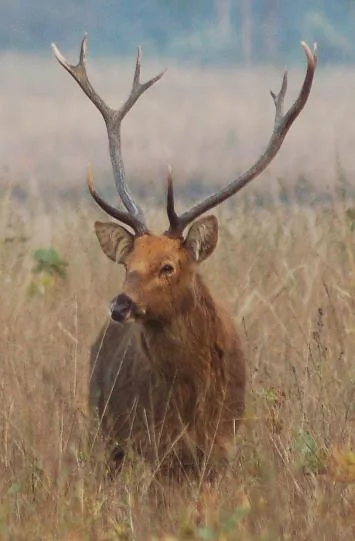
Tracking tigers in Chitwan on foot and being seen by the unseen tiger in the grass
Checking off over 170 species of birds (including Baer’s pochard & Striated Babbler
Cruising past large mugger crocodiles and critically endangered gharial in Chitwan
Seeing 25 species of mammals including a Perny’s long-nosed squirrel in Kaziranga
Finding an endangered Gangetic river dolphin in the Bhramaputra in Kaziranga
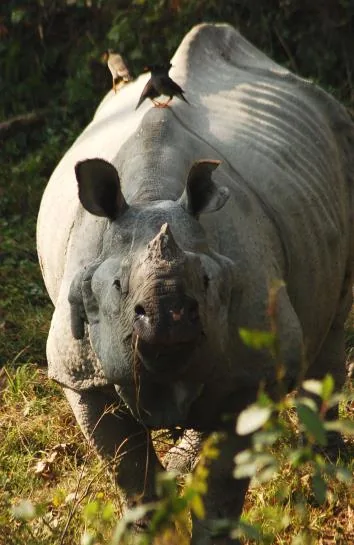
Seeing nearly 100 different One-horned rhinos in Kaziranga & Chitwan
Sharing our lodge in Chitwan with a very playful 13 day old elephant calf
Exploring some of the iconic sites in the bustling cities of Kathmandu & Kolkata
Having a tigress stalk deer before walking out across the road right in front of us
Tour Leader / Guides
Overview
Martin Royle (Royle Safaris Tour Leader) Rajesh, (Indian Transfer Drivers) Sanjay (Kanha National Park Guide) Sumnad (Kaziranga National Park Guide) Babul (Kaziranga National Park Driver) Jai & Melina (Kolkata City Guides) Moheen (Kathmandu City Guide) Dinesh (Nepal Transfer Driver) Akaz & Ramchana (Chitwan National Park Guides)
Day 1: Delhi
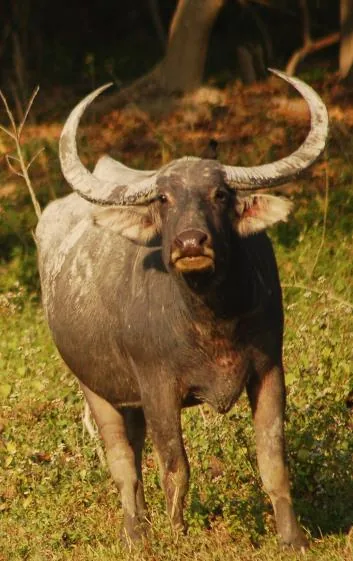
Days 2-6: Kanha
Day 7: Delhi
Days 8-10: Kaziranga
Days 11-12: Kolkata
Days 13-14: Kathmandu
Days 15-17: Chitwan
Day 18: Kathmandu
Day by Day Breakdown
Overview The Indian Subcontinent is a huge a varied area, with eco-systems ranging from high Himalayas through to dense and humid tropical rainforest and from barren salt crusted deserts to vast aquatic mangrove forests. All of this variation makes the Subcontinent one of the best places in the world for wildlife watching. The biggest problem is choosing where to go; as it is impossible to pick everywhere in one lifetime (never mind one trip). So for this trip the focus was on three national parks that span a vast area of two prominent countries in the Indian Subcontinent. Firstly India and then Nepal, our tour would take us from some of the world’s largest and busiest cities such as Delhi and Kolkata and transport us to some of the last remaining wilderness and the home of the majestic and wonderful tiger, large and powerful one-horned rhinos and the critically endangered gharials. The three parks that were chosen for this tour range in their habitats and species as well as the ways that they can be enjoyed, part of this tour was to experience the wildernesses of Kanha, Kaziranga and Chitwan and of course see what wildlife we could find, but also to delve into the parks by jeep, elephant, canoe and walking. There are few things as thrilling as tracking tigers on foot or encountering an enormous rhino whilst your on elephant back or cruising silently by a 4m mugger crocodile when sat in a small dug out wooden canoe. This tour would experience all of this and much much more. Our top targets were tiger, one-horned rhino, Asiatic elephant, water buffalo, gharial, Gangetic river dolphin and Barasingha and with the help of some great guides and good luck we definitely stood a good chance. India is the in the top 10 most biodiverse countries in the world and Nepal (for its size) is not far behind; the two countries are meccas for wildlife enthusiasts. Amongst a wide range of fantastic wildlife the main target for the majority of people coming to the Indian Subcontinent for wildlife watching is the iconic tiger. But the road of tiger conservation has been anything but clear and trouble free. First off India & Nepal today faces many problems, increasing populations and the shameless exploitation of all natural resources means that protected land and effective conservation is hard to come across in the Subcontinent. However there are some protected areas (Kanha, Kaziranga and Chitwan being three of the best) and new ones on the way, the main focus of most conservation in India is the iconic tiger (historically Kaziranga and Chitwan were different, being established for the protection of dwindling rhino numbers; but the same overall rules applies). But through protecting the tiger and the rhino the other wildlife has benefited as well. That is why it is essential to understand the tiger and other iconic species and the ups and downs their conservation has had over time, before you can appreciate the reason that so many of the regions national parks are now havens for wildlife, even though the tiger may not be the most common or most prominent member of its’ fauna. The conservation histories of tigers and rhinos in India and Nepal are quite similar, firstly nobody had ever counted them or knew their densities until the mid to late 20th Century. By then hunting and persecution had reduced their populations to fractions of their historical numbers. In the 1950’s rhinos numbered around 70 (50 or so in Kaziranga and 20 in Chitwan), tigers in the 1970’s were deemed to have no more than around 1,500. From this point Project Tiger was formed by the Indian government and from a start of 9 parks there are now over 40 and there are plans for many more. As a result tiger numbers increased (but only for a short period), by the 1990’s they peaked at around 4,334 but have crashed again since to around 1,400 in 2010. Rhinos too were protected fully after their first census in the 50’s and both Kaziranga and Chitwan were declared national parks. This ensured that their numbers increased and today their numbers are over 2,500 with around 2,000 in Kaziranga and 500 in Chitwan. However both the tiger and rhino have experienced declines in recent years due to the new found wealth in China and the ensuing demand for tiger and rhino products that claim to cure everything from headaches to infertility!. The rhino has suffered much less than the tiger in this new age of poaching to order en mass. But even rhino poaching is on the increase now. But all is not lost or over, whilst tigers are in serious trouble in and outside of protected areas in India, Nepal is having more success and its numbers are increasing and are currently on course to meet the target set by the International Tiger Project in 2012 to double global tiger numbers by 2020 and so currently the rhino are outbreeding the poaching levels and so their numbers are also increasing. However both the tiger and the rhino (as well as many other endangered species that could be seen on this tour) are in perilous positions, their numbers could come crashing down at any time and this is why Royle Safaris loves brining people to these parks to experience and appreciate these species and eco-systems and help sustain conservation throughout the Indian Subcontinent.

Day 1 Delhi Arrival
This evening Brian & Nancy were met at the airport by Martin and our local driver and then transported through the busy streets of Delhi to our hotel for the night. As the flight arrived during the night we all decided that it was best to head straight to bed and prepare for our travel to Jabalpur, and on to Kanha National Park tomorrow morning. With Martin, Sanjay and our national park guide Dirham Nancy and Brain would be in safe hands as we went in search of tigers for the first time. Before we entered the park we found a group of langurs just waking up and starting to feed in the around the gate. We then started our safari in Kanha and quickly found two male Barasingha just waking up in the sal forest and beginning to feed as the mist rose slowly dissipated in the morning sun. As well as small groups and pairs of Barasingha there were many chital spotted in the morning. We also had great views of grey jungle fowl, the origin of all domesticated chickens, they are still found wild in the Indian Subcontinent and despite hundreds of years of selective breeding to produce beautiful breeds the wild grey jungle fowl is probably the most beautiful of all. As we carried on in the morning we found more and more Barasingha, the Barasingha here are the only remaining hard-ground subspecies. There are two subspecies of the golden coloured, semi-aquatic Barasingha remaining, with the more numerous marsh subspecies being found in the terai of Nepal, India and Bhutan and the hard-ground subspecies now confined to Kanha. There are talks of moving some Barasingha from Kanha to nearby national parks such as Bandhavgarh, Satpura and Pench in order to establish further populations and increase genetic diversity. The main reason for the decline of this once very numerous species is that they are dependant on year around water (even the hard-ground subspecies) and this aquatic habitat is under severe threat in India as the increasing population are using all available water sources for irrigation and personal use. The critically endangered population here is one of the reasons that Kanha is such a popular park and their success in bringing this species back from the brink is staggering (from a handful in the mid 20th century to around 500). Along with the Barasingha there are other endangered species in Kanha, namely the tiger as well as the Indian hunting dog or dhole. However whilst tigers have remained in good numbers for the last 20 years or so here (a census in 2013 showed 33 cubs in the park) the dhole are decreasing in number almost throughout India. Whilst Kanha was once a hotspot for this species they were getting more and more scarce and now were mostly found in the buffer zones of the park where they would be coming into conflict with feral dogs even more. It is the increasing feral dog population that are the single biggest problem facing the dhole as they spread disease like rabies, canine distemper and mange. We would keep an eye out for the dhole whilst here but it seemed like they are seldom seen here now and Sanjar had only had one sighting this season. So with our attention firmly set on tigers we carried on driving the network of roads through the grasslands, sal forest, wetlands and bamboo groves.
Day 2 Kanha National Park Traveling This morning we left the hotel early in order to catch our flight out to Jabalpur at 07:35. The flight was pretty much on time (not a guarantee in Delhi during January with the fog that can descend during the mornings). The flight arrived in the small and industrial town of Jabalpur on time and we met our driver Rajesh and we began the long drive (4.5 hours) to the buffer zones of Kanha National Park. Most of the journey was uneventful as we drove through the small villages and the agricultural lands of central India. Rice and wheat are the main crops here and we arrived during the first wheat crop of the season, the bright green wheat grass covering many of the fields. Other crops that we saw along the way were mustard, potatoes, lentils and of course grazing for the millions of cattle and buffalo that seem to proliferate throughout the Indian countryside. Around half way we crossed the Narmada River, here the Hindu temples attract large crowds during festivals, weekends and full moons. At this time of year the river itself is very low (being a monsoonal river, as well as getting water from the Himalayan melt, both of which do not occur until May onwards) and many of the ghat steps were visible as the bathers and textile washers had to go a long way down to reach the water. As a result there were not many birds around the bridge and ghats, just the regular selection of Indian cormorants, Indian pond herons, rock doves, barn swallows, house crows and common mynahs. On the Kanha side of the river there is a small shine to Manasa the Hindu snake goddess, this is one of the few shrines dedicated to this particular goddess. We then arrived in the accommodation and after settling into the very nice rooms and exploring a little of the lodge grounds. They grow most of their own vegetables and also have a small medicinal plant garden and Brain and Nancy were given a little tour of the garden. In the garden were many birds fluttering around, the most conspicuous being some beautiful golden-breasted leafbirds. Then as the afternoon progressed we were introduced to the lodges’ beautiful cats and German shepherd dogs before a wonderful Indian meal in the evening. We also met Sanjay who would be our naturalist guide for all of our safaris into the park. We then retired to our rooms in preparation for our first morning safari tomorrow.

Day 3 Kanha National Park Wildlife Watching
This morning we would be exploring Mukki Zone in Kanha National Park and were lined up with the rest of the tourists at the entrance gate at 06:30am. As we were waiting for the park to open a troop of langurs was waking up in the trees around the park offices. Once awake they would begin feeding and the remnants of their foraging would fall to the ground and litter the vehicles with bright green leaves from the top of the trees. Then the gates opened and we entered the park and almost straight away we came across some of the parks most famous and endangered residents. A pair of adult male Barasingha were resting in the forest, probably waiting for the sun to come up and the air to warm up before they begin their foraging in the wetlands of the park. The Barasingha are also known as swamp deer and they used to be found throughout central and northern India into Bangladesh, Nepal and Burma. However they are a species that is dependent on year around water sources as most of their diet is aquatic plants and in the absence of this habitat they are out competed by the more numerous chital and larger sambar. The problem for the Barasingha comes when one of the first ecosystems to disappear and be developed by humans are aquatic ones. This is because of the urgent need for water to be used in agriculture and direct human use throughout the Indian Subcontinent. As a result of the vastly increasing population in this part of the world the Barasingha has been dramatically reduced in number. In fact Kanha National Park is currently the only place in Peninsula India that still has this species. The other remaining populations being found along the Terai of Nepal, India, Bhutan and Burma. But the population in Kanha is important for another reason (other than it being the only population in Peninsula India), because the Barasingha here are genetically different from the other populations, the species is split into two subspecies. The hard-ground Barasingha and the swamp Barasingha; whilst both subspecies spend significant amounts of their time in swamps and aquatic environments the population in Kanha (hard-ground Barasingha) are adapted to survive in drier environments and features such as feet that are not as splayed enabled them to inhabit the drier parts of central India. As we watched these two very magnificent males waking up and beginning their day in the morning mist of the sal forests Martin explained that there are plans to reintroduce some Barasingha from Kanha to other parks in Madhya Pradesh such as Bandhavgarh and Satpura. This is to ease overpopulation problems from Kanha’s increasing population and also to help improve their genetic diversity for long term survival. A little further along in the forest we came across a small flock of grey jungle fowl, the species that all domesticated chickens were originally bred from. The wonderful colours and plumage of the grey jungle fowl being at least equal in beauty as any of the breeds of chickens that have been bred over the last 100 years or so for show and displays. A little further along we came across a pair of female Barasingha and a fawn, however this species is so numerous in Kanha that we saw most of the 400 or so individuals that live here over the next few days. Driving along the road we came across two of the forest patrolling elephants on their way to try and find tigers. In the mornings the elephants are sent out with their mahouts to track tigers for ongoing population studies as well as to direct tourists to where tigers can be seen. However the main reason for the elephants is anti-poaching patrols. Sanjay beckoned over one of the mahouts and we were able to get up close to a 17 year old male as well as a female in her mid-thirties. Both of these elephants were well behaved and to see them this close and stroke their tough and wrinkled skin was a great way to start the day. We then carried on further and came across some nice bird sightings including a greater racket-tailed drongo perched on a branch in a nice position as well as an Indian scops owl roosting on the edge of his tree hole in plain view. We then came to a large mixed foraging flock of birds including a rufous treepie, Indian golden orioles, grey-headed woodpeckers, black drongos, white-bellied drongos and the main protagonist in most mixed foraging flocks a noisy group of jungle babblers. As we drove around the tracks we kept our eyes out for tracks left from the night before, we quickly found a female tiger tracks with her cub in tow, these were made last night and we followed them on the road for a few hundred meters before they disappeared into the forest. We waited a few minutes to listen to the forest in case the tigers were still around we may have been able to hear an alarm call from a deer or monkey maybe. We didn’t hear anything but continued to stay around this area, the female in this territory as two cubs currently, they are aged around 15-16 months old and whilst they are still cubs by age they are nearly the same size as their mother. We then heard from another jeep that they had heard alarm calls and a tiger road so we stayed around here and listened out to see if we could pin point a tiger unseen in the forest. There were also very fresh tracks from the mother (only around 15 minutes old) and soon after seeing these tracks we heard the cubs calling in the forest. We moved into a likely position (where we though the tigers would look to cross the road, should they move around). As we positioned ourselves we found a fresh sambar kill in a dry streambed close to the road. The kill was from early this morning and this is the reason the tigers are being so vocal, the mother would be calling the cubs to the kill after spending the night apart. So we backed up and angled the jeep on the road so that we could get a view as the cubs looked to cross the road (hopefully), we had done all we could now; we had found the tigers using alarm calls, tracks and by listening to the tigers. Now all we could do is sit and hope that the tigers would make an appearance. We were not there for very long before one of the cubs came out and quickly crossed the road, then shortly after the second cub followed the same path! Wonderful, it was brief but we had tiger cub sightings on our first trip into Kanha. We then heard the cubs and the mother in the forest, they were very vocal as they met up again after a night (or a few hours at least) apart. We then heard them as they moved through the dense vegetation parallel with the road. Some of the bamboo was moving and so we followed the moving vegetation and waited to see if the tigers would make another appearance or maybe they would become visible through the jungle. Eventually the two cubs came out and crossed the road away from their mother and the side of the sambar carcass. They were quick once again but seeing a tigers running across the road is a wonderful
sight. They would no doubt cross the road again at some point as they would begin feeding but there were many other jeeps around now and we didn’t hold out much hope that the tigers would make another venture out into the open this morning. We then left the area and headed towards one of the ranger stations where we would have our breakfast. Along the way we had great views of a male barking deer close to the side of the road. We also had good views of a jungle owlet in the open before finding a large herd of sambar, including very large males covered in mud, urine and vegetation in their antlers. This is very sexual behaviour and the males were raking their antlers on the ground and in bushes in an attempt to lure the females into mating. However the females in the group were much more interested in feeding than mating and led the males on a merry dance into the forest. At a waterhole we spotted foraging chital, cattle egrets, great egrets, red-naped ibis, Indian cormorants and common teal. After breakfast we started to head out of the park and we had further sightings of a very oblivious langur on the road in front of us and fantastic views of a male Barasingha in full antler, it moved into a lake and drank before making its rutting calling (in its high pitched car alarm like call), the final sighting we had was of a pair of lesser adjudant storks perched in a submerged tree in a lake, there was nothing else of note this morning so we left the park and headed for a little break and lunch before coming back for the afternoon safari. This afternoon we headed straight to the site of the sambar carcass and straight away heard the tigers calling in the forest. Clearly they had spent the whole day in the area, most likely sleeping or feeding in shifts. We then saw the cubs come out onto the road and cross it back to the side of the carcass, like this morning first one cub and then the other. We then moved closer to where the carcass was visible this morning and it had been moved deeper in the forest, however we couldn’t see it in the vegetation. We also heard the adults, by now the resident male of the area (and certainly the father of the cubs) had also joined the party and was with the female and the cubs. As the cubs are approaching dispersal age the female would be ready to mate again soon and the male is just paying close attention to make sure that he mates with her and not another male once she becomes receptive again. We stayed here for a while, with 4 tigers in the forest close to us we hoped that as the afternoon began to turn into evening that they would emerge. However (as often happens in Indian parks nowadays) the number of jeeps was growing all of the time and so it was less and less likely that the tigers would come out whilst the park was still open. So we left and decided to slowly make our way out of the park, we saw Barasingha and sambar both very close to the road and then we found a black stork and a crested serpent eagle in great positions for photographs. On the way out Sanjay also showed Nancy and Brian the various tree species that make up the forest including the mahua tree than the local people make wine from (although the drink is very strong and wine is a misnomer). When we arrived back at the lodge we were greeted by the staff with tea and coffee and biscuits and then after a great Indian dinner we retired to our rooms before doing this all again tomorrow.
Day 4 Kanha National Park Wildlife Watching This morning we visited the Kanha Zone of the park, this zone is more central to the park and has larger meadows (or maidens in Hindi), these open areas are where villages used to be and their clearing of the land and overgrazing of livestock has rendered the soil too poor for the forest to retake the fields. Other than these clearings that dot Central Indian national parks the only other sign that there used to villages here are the occasional mango tree growing in the middle of these fields. These trees were planted by the villagers for easily accessible fruit and have since grown to monstrous sizes. Despite these trees not be native and the large open areas of grassland not being the normal habitat for Central India they have provided shelter and food for many species of birds and of course macaques and langurs and the grassland is perfect for chital and wild boar and their numbers have boomed since the villages have been removed. This large increase in medium sized prey has helped these fragmented and usually small parks maintain high populations of leopards and of course tigers. It is why parks like Bandhavgarh and Kanha can support more than 6-8 times the average tiger density in pristine sal forest or elephant grass habitats. As we drove to the centre of Kanha Zone we had good sightings of common and white-throated kingfishers before good views of a jungle cat walking across the road and away into the jungle. We then continued uphill as we penetrated deeper into the park, passing the beautiful and eerie looking white ghost trees that dot the roadside. We then came across a herd of chital and a troop of langurs, showing their wonderful symbiotic relationship. The chital are always on edge for danger and have many eyes, fantastic hearing and a wonderful sense of smell and they are the early warning system for the langurs who take advantage and spend longer on the ground and lower down in trees than they would if they didn’t have these alert guardians. The chital are rewarded for this by being able to eat the fresh leaves that the langurs in the trees drop down to the ground as they feed messily into the trees. As we sat and watched the many interactions between the chital and the langurs we spotted a very young chital (only a few days old) and we also spotted a langur that was showing the typical threat display to another langur, teeth barred in a grimace and eyes fixed on the other langur; a fight did not break out as the second langur sulked off. Further on we heard a Barasingha alarm call and waited to see if we could see the reason why the alarm was sounded. After a few minutes we moved on, the alarm call had ceased and we couldn’t even see the Barasingha in the dense forest. Then whilst surrounded in a herd of about 50 chital and a dozen of Barasingha we stopped the car and just watched the deer species interact with each other and members of their own species, the most interested to watch being a pair of young Barasingha males with not fully developed antlers sparring. This play fighting is vital for males if they are to know understand what is expected of them in the future when they have to fight for mates. Around the deer were many troops of playful langurs as well as some wonderful bird species feeding in the tree tops such as brown- headed barbets, spotted doves, Indian rollers and
black drongos. Whilst we were there we heard from another jeep that a male tiger had been seen crossing the road about half a mile away, so we went up the road and positioned ourselves in the road in a way that we could see the tiger if he came back out onto the road. As we waited a sounder of wild boar very close to the road, in the sounder was a large male rooting around a tree trunk next to the road, he was so intent on finding his food that he was completely oblivious to our jeep only a meter or so away. After a while we left the area and carried on towards the headquarters of the park for breakfast. On the way we found a nesting pair of changeable hawk eagles in a tree calling to them with their typical 5 note high pitched call we also saw a male sambar deer making a tree with his pre-orbital gland before we arrived at the headquarters. We had our packed breakfast and walked around the new and impressive interpretation centre. As time was ticking now and we had a long drive out of the park we left and began to drive slowly back to the entrance of the park. The drive back was quiet with only a jungle owlet in a dead tree next to the road being a sighting of note. This afternoon we entered the park once again and the atmosphere had changed, it was getting more humid and the clouds opened up and a full on monsoonal shower erupted as we entered the park. It only lasted around 15 minutes but we were well and truly soaked at the end of it. However it didn’t take us very long to dry off once the sun came up. After the rain we found a large sounder of wild boar with an adult male and female and 9 young piglets, they were large but still stripy showing that they are far from independent age yet. Also spotted this afternoon as we headed to the site where the sambar carcass is was a barking deer and many chital. We then arrived at the location we had seen the tiger cubs yesterday however there were no fresh tracks and there was no sounds from the tigers at all. The carcass was now beginning to smell and as we waited we could hear movement and surmised that the mother and both cubs were still around, with the cubs on the opposite side to where the mother and the carcass where. So we waited and hoped that the cubs would come out and cross the road as they did yesterday. We waited as long as we could before heading back as the park closes promptly at sunset. We did hear roars and growls whilst we waited. On our return we heard that another jeep had seen a leopard kill a chital on the road, however the leopard quickly moved the kill into the bushes and was no longer visible. Unfortunately when a leopard doesn’t want to be seen, it invariably will not be seen! Before we exited the park we did have fantastic sighting of a pair of hunting green bee-eaters as well as a trio of black storks foraging in a small and shallow pool. Their mouths open swinging them from side to side, hoping to hit a fish, frog or reptile before slamming its jaws shut. But there would be no tiger sighting today. We had dinner and hoped for more luck tomorrow.
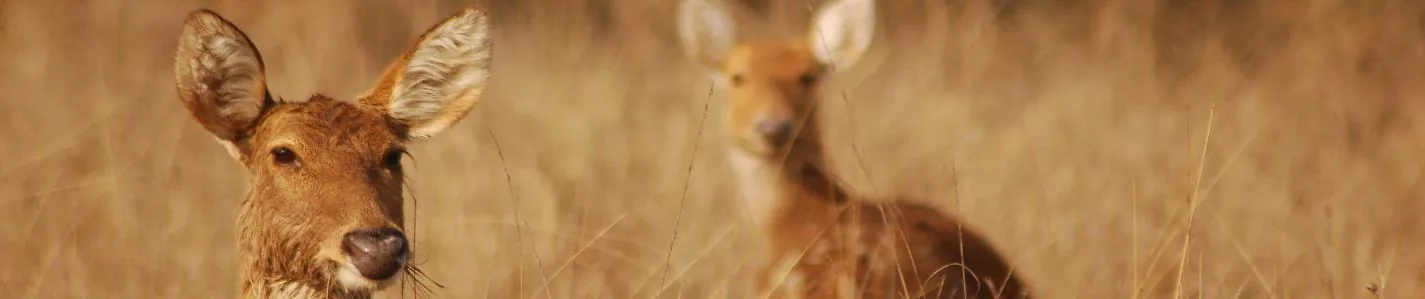
This morning we were back in Mukki Zone and decided that we would slowly make our way to the sambar carcass and see what we would see along the way. We had great sightings of beautiful adult male chital as well as close views of a female sambar with the sun rising beyond in over the maidens. We briefly spoke to a forest ranger and he told us that he had just seen a tiger nearby, so we parked up on the side of the road and waited. We heard a sambar alarm calling in the general direction that the ranger saw the tiger, then the tiger roared and we focused out attention on that section of forest. One of the cubs (a female) came out of the forest and into some long grass, the tiger’s coat blending in nearly perfectly. We watched as she came out and close to a small herd of chital, the chital had not noticed the tiger and the tiger had not noticed the chital. The chital then spotted the tiger and with eyes focused and ears erect they followed the tiger’s movements and the tiger ran a little way towards them. But the chital moved off and jeeps began to arrive on the road facing where the tiger would have launched her attack. She came to abrupt stop, as we were the only jeep around at first the tiger was completely undisturbed and as the throng of jeeps came around the corner the tiger just lowered herself into the grass in front of us and completely disappeared. We waited patiently knowing that the tiger would have to come out at some point and we were in a great position, safe at the side of the road and then after 5 minutes she rose and walked straight towards us through the grass and then out in front of our jeep; here she made a contact call across the road and this was met by her mother in the forest and then she went ahead and crossed the road. We were in the perfect place and our patience paid off and we were rewarded with a wonderful sighting and some incredible behaviour. It was now very likely that all 4 of the tigers (female, 2 cubs and the male who was still around) were all in the same section of forest. So we waited for a while but there were no alarm calls or growling coming from the forest, so we drove around some of the forest roads around here to see if we could pinpoint the area of the forest that the tigers were in. We then heard some chital alarm call and focused our searching to a smaller area of forest we then heard the female tiger roaring as well as a sambar alarm calling. We waited but nothing showed itself, as the sun began to rise higher and higher
into the sky we decided to leave the area and see what else we could see, as the hotter it gets through the day the less likely a tiger will do anything other than sleep in the shady forest. We found a pair of Indian rollers above the road, they were low down and allowed for great views in the morning sunshine. We then found a herd of chital and troop of langurs feeding together before we arrived at our breakfast point. Whilst having breakfast we watched numerous northern palm squirrels and Indian pond herons feeding and in the case of the squirrels running around and chasing each other. After breakfast we started to head out of the park and heard grey jungle fowl alarm call but nothing came of this, we then drove to the Panchi River that marks the border of the core and buffer zone of the park and found a very accommodating hoopoe in a good photography position. When we arrived at the gate we found a couple of the anti-poaching elephants that were being teased into lorries so that they can be taken to Panna National Park. The moving of elephants between nearby parks is very common and these elephants would be used to help track recently released tigers in Panna National Park. Coincidently one of the tigers from Panna has very recently (February and March 2014) began to move the 250km towards Bandhavgarh National Park. Currently the tiger is around 80km from Bandhavgarh and has safely moved through villages and is using many of the protective corridors that are set up for this kind of movement of wildlife. However this would be the first tiger to ever use these corridors and if successful would add much needed weight to the argument for more corridors to be set up. These elephants have been very helpful in tracking this tiger and assessing its direction and location. After lunch we went back into the park and we quickly heard alarm calls from langurs, it then quickly became apparent that the alarm call was being made towards a feral dog that was walking along the road. We left the dog (however it continued to follow the road and caught up with us again later); and stayed around the area where another female tiger and her 4 cubs, so we staked out a waterhole. This looked promising as we heard sambar alarm calls from the opposite side of the waterhole and when the sambar came out of the forest in plain view and stopped calling. So we left the waterhole and had to start our way out of the park, along the way notable sightings we little grebes, Indian grey hornbills, lesser adjudant stork that was being mobbed by a jungle crow and then fantastic views of a male Barasingha very close to the road just before we exited the park.

This morning the first things we saw of note was very fresh sloth bear and tiger tracks, with the bear following the tiger along the road before heading into the forest as the tiger carried on along the road. We also stopped as a huge male sambar deer crossed the road, after the sambar had crossed we followed the tiger tracks along the road (it was a female and as it was very close to where we had been seeing the female and cubs it is likely to be the mother). We followed the tiger tracks for around 1 hour before coming across Indian porcupine tracks from last night. It was very misty this morning and very quiet as we drove around, however the silence of the morning was broken when a sambar deer called very loudly. Nothing came from this and carried on travelling, coming across tiger scat from 2-3 days ago. We drove around and found Indian grey hornbills and greater coucals as well as tiger scratches on tree trunks. Some of these scratches were old and some fresh, a prominent tree such as this may have been used for generations of tigers and some of the scratches were at least 50 years old. We then spent some time we a troop of langurs, one of which had a very young baby (under 1 month old) we could tell this as it had the darker pelage of an infant that age and had not started to get its adult pelage yet. We also came across three black storks feeding in a small shaded pool in a stand of sal forest. Whilst we watched the storks one of them caught a large catfish and struggled to swallow it, but it did swallow it in the end despite the frenzy caused by the other birds also managed to keep hold of the fish. Further sightings we came across nice views of peacocks with some males displaying, although not the mating season at present they were displaying a little, not a full blown courtship display but practice for the mating season. Our only new mammal sighting was of a ruddy mongoose sitting in the forest just off the road before it moved off and away into the forest. Sanjay also showed us the crocodile bark tree, so named for its bark that (funnily enough) looks like the scales on a crocodile’s back. We were also shown a tree whose bark gave a bluish hue to the to the bark; this is a particularly important tree to the local people as the bluish hue is reminiscent of the skin colour of Lord Shiva. Further along we spent some time photographing the beautiful orange flowers of the invasive lantana vine that is taking over many of central India’s forests. There were many butterflies this morning, this is usually the case during the morning after some rain. This was it for the morning and whilst very quiet we did see many interested birds and the ruddy mongoose was a great way to round of this morning’s safari. So after lunch and a brief rest we headed back into the park for our last safari in Kanha National Park. Quickly we found wild boar feeding on the banks of a river and a crested-serpent eagle perched high above the river watching and waiting for snakes, lizards, frogs or small mammals to come out of the vegetation. On a large lake there was a very big flock of northern pintails, these ducks migrate to India and Africa from Europe and Central Asia in the winter. We then picked up the smell of a kill and searched around until we
came across a sambar carcass half obscured in the forest (around 10m inside). The kill was over a week old and there was not much meat left on the carcass, it was highly unlikely that there was a tiger still around, however we waited for 10 minutes or so to see if the smell had attracted any jackals or vultures. However nothing showed up and we carried on. Our next sightings were of a couple of huge female golden orb spiders, their large webs glistening in the sunlight coming through the forest canopy. These large and beautifully coloured spiders are all females, the males are very small and unusually found on the periphery of the female’s web. They have to ‘tickle’ the web in a certain way that alerts the female that he is a mate and not a meal, he then carefully crawls up the web and mates with her before quickly dashing off to the perimeter of the web again. It is common to see numerous small males along the outskirts of the web. Further along the road we spotted a jungle cat in short grass next to the road, it sat there in full view for a short while until it disappeared into the longer grass, its uniformed pelage being perfect camouflage for this habitat. In the open maidens we found large herds of Barasingha in the lakes feeding on the aquatic vegetation as well as large herds of chital and individual sambar deer. We also found a large sounder of wild boar (12 in total); they were rooting around on the edge of a lake with a pair of not quite fully grown male Barasingha close by. The wild boar feeding on the roots and tubers that they can dig up using their very strong, versatile and flexible snout and the Barasingha feeding on the leaves and stems of the same plants. As we watched the foraging boar one of the large females spooked the Barasingha who ran out of the lake and onto the road, where we got great photographs of the males as well as the young boar as they continued to forage on the edge of the lake. We waited around the lake a little longer as a large male sambar deer approached the lake with 4 female sambar deer grazing on the far side. As we waited the sambar started to alarm call, they also started foot stamping. This is an alarmed behaviour that releases pheromones from their inter-digital glands, these pheromones help to alert other deer of a possible threat as well as guiding them in the safe direction away from the threat. We couldn’t see what they were alarmed of due to them being so far away. There were langurs around and they were not alarming, maybe it was a fresh tiger scat that the deer could smell but the arboreal langurs couldn’t. It was getting later now and as we headed out of the park the last sighting of note we had was of a lesser adjutant stork perched on the top of the tree in the middle of a lake. Unfortunately there would not be a tiger on our last trip into Kanha, however Kanha has been a success and a great way to start this multi-stop tour of India and Nepal.

Day 7 Delhi Travelling This morning we could have a relaxing morning as we were not due to leave the lodge until 12:00pm, so we had breakfast and time to pack and explore the gardens and lodge grounds once again before we left with a packed lunch. After Brian and Nancy had collected their painting that had been painted to order by the lodge’s resident artist and we had said our good byes to Sanjay and all of the staff we left. This was the first of two long days of travelling as we started in central India and would head to the north east and Kaziranga via Delhi and Kolkata (because of changes in flight schedules). The journey back was fairly uneventful with the usual bird species spotted along the roads such as house crows, jungle crows, laughing doves, spotted doves, common mynahs, cattle egrets, red-vented bulbuls and rose-ringed parakeets. We then arrived at the Narmada River where there were many people around today, both along the ghats and in the temple complex this is the Hindu festival of Panch and it has coincided with the Muslim festival of Myer that was celebrated in other villages (it was very obvious which villages are majority Hindu or Muslim depending on if the streamers and banners were mostly orange (Hindu) or green (Muslim). When we arrived back in Jabalpur our flight was on time and uneventful, we arrived late at the hotel and with an early start in the morning we headed straight to bed.
Day 8 Kaziranga National Park Travelling Today started very early (but not as early as originally though as the flight times had been changed once again) and we got to the airport around 07:00am Our flights were pretty much on time and we made the connection in Kolkata and onto Jorhat in good time. Once we arrived in Jorhat we met our driver and travelled around 3-4 hours to IORA. The drive took us through very different landscapes to what we had travelled through in central India, the plains and dry wheat fields were replaced by hills and wet rice paddy fields. This area of India (Assam) is one of the bio- diverse areas in Asia and the subtropical ecosystems here are very different to what we had experienced in Kanha National Park. We left the main road (connecting Jorhat with the larger city of Guwahati (the major city in Assam) and travelled slightly up hill towards the IORA resort, where we checked in and relaxed in the evening after a couple of long days travelling. Tomorrow we would explore Kaziranga National Park by jeep and so we wanted to have a good night sleep.
Day 9 Kaziranga National Park Wildlife Watching For the next two days we would be exploring Kaziranga National Park, this park is one of the oldest protected areas in India and dates from 1905. The park was originally established to help protect the dwindling numbers of Indian one-horned rhinos and with an astronomical increase in rhino numbers since the turn of the 20th Century (of around 50) to the currently population of around 1,900 is testament to the wonderful conservation work that is conducted here. Obviously rhinos would be a target species for us on this trip but the park is also home to more than half of the world’s Barasingha population (of the swamp Barasingha subspecies – different from the Kanha population we had already seen), most of the world’s wild water buffalo and also large populations of Asiatic elephants, tigers, hog deer and many species of small mammals and hundreds of birds. Most of the wildlife that we would see in Kaziranga would be different from in Kanha as Kaziranga is a very different ecosystem. There is much less sal forest here, instead the park is dominated by grassland and water courses which is perfect for the larger mammals species that dominate the park and not the preferred habitat for chital that are replaced here by the large numbers of hog deer. The park is relatively small 430km2 and split into three zones, eastern, western and central and this morning we would be in the Central zone and in the early morning we met our guide Sumnad and driver Babul and headed into the park. We saw the herd of domestic elephants at the entrance gate, these elephants are used in the anti-poaching patrols as well as for safari trips around the park. There were quite a few baby and young elephants around in this herd and interspersed with these elephants were a couple of rhinos grazing in the distance as well as a small herd of water buffalo. Also around here was a very large herd of Barasingha and hog deer, we had great views of hog deer around the edges of the roads, they prefer the lush grass that grows of the edges of the roads in the park, the run off from the roads collects and this water helps the vegetation grow very well. One of the first things that hit us on driving around the park was the number of birds and we were greeted with many species including Oriental pied hornbills, Asian pied starling, stork-billed kingfisher, Indian pond heron, Indian rollers, jungle mynahs, woolly-necked storks and lesser adjutant storks (one being mobbed by a jungle crow). A little further we came across a couple of rhinos quite close to the road, the number of rhinos in Kaziranga is quite amazing and they are among the most commonly seen animals in the park. Looking down at the sandy tracks we came across hog badger tracks from last night, this is one of the rarest and elusive mammals in the park and being strictly nocturnal we held little hope of seeing one. Driving along through the 3-4m tall elephant grass fields we were lucky that there was very little mist this morning and the air was very clear, we then came to a small clearing and found a lone swamp francolin as well as a grey-headed fish eagle and crested-serpent eagle both perched above water courses patiently watching and waiting for prey to come out into the open or to swim towards the surface. We then went to a watch tower on the edge of a large lake, on the opposite side of the lake was a large male elephant with a very impressive set of tusks, there are not many tuskers left in Asia with only around 25% of males producing tusks and even less females, this is the legacy of years of poaching for the biggest and best sets of tusks. As well as the elephant walking along the edge of the lake there was also a rhino browsing on the aquatic vegetation and a wealth of bird life in the lake. Spot-billed pelicans, Indian cormorants, oriental darters, pied kingfishers, Indian spot-billed ducks, common teals, ruddy shelducks, little cormorants, black-necked storks, greylag geese, great-crested grebes, northern pintails and common pochards were all visible in a single view. As we watched and identified the different species on the lake and flying over the lake we found a large family group of smooth-coated otters swimming across the lake, fishing along the way and then watched as they reached the far bank and preceded to climb ashore and roll around in the sand. This is a means for the otters to rid themselves of parasites on their body. They then started grooming themselves and each other, the smooth-coated otters are one of the most social carnivores in the world this group had 9 individuals in it. We then left the lake and the watch tower and had great sightings of a crested-serpent eagle next to the road, only around 5m away. We then had good views of a lone long-billed vulture close to the crested-serpent eagle. A little further along we followed the Diphlu River and driving through the riparian forest we were dazzled by a large flock of scarlet minivets, the males being bright scarlet and the females equally dazzling in yellow. As they streaked across the road and around the forests the plumes of colour lit the forest up. Whilst we watched this flock foraging along the roadside we also found a very rare Perny’s long-nosed squirrel; whilst not rare on a global scale, to see them in Kaziranga National Park is very unusual. We watched the squirrel scurried very quickly up a tree on the side of the road, feeding on sap as it went along and then into the leaves high above before disappeared into the forest. We found fresh tiger prints made this morning as well as rhino and leopard cat moving along the road parallel to the river. Then at a large fruiting fig tree on the banks of the Diphlu we found a pair of feeding great hornbills, these huge and endangered birds surely the most impressive avian species in the park. Feeding alongside the hornbills was a flock of brown-headed barbets as well as yellow-footed green pigeon. In the river on nearly every log, branch and rock that protruded above the surface was occupied by an Assam roofed turtles and Indian tent turtles basking in the sunshine of mid-morning. We then found a hoary-bellied squirrel that was only briefly seen before more good views of long-billed vultures on a nest and in a smaller lake we found a couple of smooth-coated otters fishing alongside Indian spot-billed ducks, common pochards and two very large male water buffalos. Then as it became time to start our journey back to the hotel (it was now approaching lunch as opposed to breakfast!) we had great views of another male water buffalo and then a rhino that allowed for great views as it grazed in a small patch of short grass next to the road. As we then headed out to the park we had sightings of many vultures soaring on
thermals and great views of Asian barred owlets. We then returned to the hotel for a late breakfast / early lunch and then in the afternoon returned to the park and this time to the western zone. We quickly found 6 rhinos in a small area and a herd of water buffalos on the banks of a small pool before arriving at a small watch tower than overlooks a large grassy verge against a long ox-bow lake. This is a very famous view point and we were not disappointed as we spotted over 40 rhinos and over 20 water buffalo as well as hundreds of hog deer, dozens of oriental darters and hundreds of migratory bar-headed geese. This geese are amongst the highest flyers in the world and have been recorded at altitudes of over 9,000m (higher than Mt. Everest), they have several special adaptations that allow them to survive in such low oxygen levels such as having haemoglobin that is able to absorb more oxygen than any other animal studied to date, including deep diving marine mammals. They also have increased lung capacities for a bird of their size and their wing beats are very efficient and help to bring in more air into the lungs in one motion (so decreasing the amount of energy required and muscles used during flying). All in all this is one of the most remarkable species of birds in the world and also one of the most beautiful species of geese. They were wintering here in large flocks that grazed the grasslands here and helped to fertilize the soil with their nitrogen rich guano. This location is one of the best in the whole of India to see large mammals in one view and this is the beauty of Kaziranga, most of the animals that remain elusive elsewhere in the Indian Subcontinent are here to be viewed by all easily. A little further off than most of these animals were some Barasingha and wild boar and then we noticed that on the other side of the road (opposite the watch tower) a mother and calf rhino were feeding around 50m away. We approached to the other side of the road and got great views of the rhinos as they noticed us and stood trying to locate us. Rhinos have very poor eyesight but excellent hearing and sense of smell. At this distance they could certainly hear us and probably smell us but could not pinpoint where we were. This is what makes rhinos so potentially dangerous as their next course of action (if threatened) is to charge in the general direction of the noises. However we kept our voices down and just watched as they feed on the vegetation. This calf was around 4-5 years old, its horn quite well developed and standing around 60% of the mothers size, this is the age when they start to spend considerable amounts of time away from the mother as the mother will be coming into oestrous again soon. As the rhinos came closer and closer to the road we decided to get in the jeep and head off to another part of the park and leave these rhinos in peace. We had not driven very far until we came across another mother and calf, this calf was smaller and around 3 years old with an underdeveloped horn. There were also lots of water buffalo and rhinos in this part of the park. Then we found a female elephant in the grass feeding; we watched the female elephant for a while until she was out of view. The birding this afternoon was very good and saw many yellow- footed green pigeons, Imperial green pigeons, pintail snipes and black-necked storks. We then found rhinos feeding half submerged in stagnate pools of water feeding on the remaining aquatic vegetation and a single smooth-coated otter sand bathing on a small spit of land. Then towards the afternoon sighting we found the female elephant again and she had been joined by a further 7 elephants in the long grass. They were all feeding and it is likely that the first female we saw was the matriarch of the herd and the others were following behind. In the adults and sub-adults there was a juvenile around 4-5 years old. Being more interested in playing than food this young elephant seemed to annoy the other elephants as they were focused firmly on food. As we sat in the vehicle on the road watching the elephants we noticed a forest worker running down the road towards us, he was around 100m away and running fast, then around the corner a rhino came charging behind him. We started the car and our driver was ready to head towards the poor worker and rescue him from the charge when the rhino dived off into the long grass and away into the vegetation. The worker was probably just walking along the road when we disturbed a rhino unwittingly and the rhino charged in alarm and as soon as the rhino heard our engine start ahead, it ran away in another direction. The forest worker collapsed on the floor, breathing heavy (Martin has been charged by rhinos previously and it is no laughing matter) and after catching his breath and letting the adrenaline dissipate he carried on with his work. We then went back to watching the elephants as a very heavily pregnant female came into view. We watched for a while before the setting sun told us it was time to leave and head back to the accommodation for dinner.

This morning we would visit the Eastern range of the park, the final section of the park to explore and to get there we drove along the main road watching the sun rising and burning the mist off the tea plantations that line the main road. When we entered the park we stopped at one of the best birding destinations in the whole of India, Sohala Lake, this large expanse of water and sand banks was home to hundreds of bar-headed geese feeding on the grassy meadows surrounding the water, greater adjutant storks (an endangered bird globally), many long-billed vultures on the ground and perched all over nearby dead trees (showing evidence of a recent kill – although we couldn’t find it) and we also found a pair of griffon vulture as well. As well as the wealth of bird life that hit us straight away (although much more was just waiting around the corner of this lake), we found large herds of water buffalo,
Barasingha and hog deer all around the lake as well. Then we drove through a small forest to get to a birding watching tower overlooking another part of the Sohala Lake and we found a steppe eagle and then looking out onto the lake we found woolly-necked storks and northern lapwings as well as many species of northern hemisphere ducks, most of which migrate here during the winter and including Eurasian wigeon, northern pintails, falcated ducks, garganeys, mallards and even a pair of female Baer’s pochards. We also spotted jungle owlets and ospreys as well as a huge flock (nearly 200) spot-billed pelicans that flew right past us from one pool to a large one. The exact reason for such an exodus of large birds so suddenly could have been because a tiger came down for a drink? We went to investigate and found a rhino next to the road with some jungle mynahs picking ticks and other parasites from its skin and a small group of red jungle fowl around its feet; we stopped for a short while and took some pictures before we heard a hog deer alarm calling close to where we would have imagined the pelicans took off from. We waited and listening we determined that it was very likely that a tiger had come out of the jungle, taken a drink from the small pool, scared all of the pelicans who took to the air, the tiger then came back into the forest (whilst we were driving to this location) and has been spotted by the hog deer that is now alarming and unseen from our position. We spotted a pair of grey-headed fish eagles on a nest built onto a fallen tree in between the road and the river that runs parallel to the road. Further along we came across fresh sloth bear activity from last night or early this morning, many of the termite mounds were freshly damaged and foraged from and the ground was littered with elephant apples (a large fruit that elephants love and the local people use to make chutneys and pickles with). We carried on to our breakfast point at an anti-poaching camp and found a large (1.8m) water monitor lizard on the far bank of the river climbing up the bank to bask. There was also an osprey flying over the river, a rhino in the water and great views of a hoary-bellied squirrel. Then after breakfast we headed on towards the Brahmaputra River, this is one of the longest rivers in the world and certainly the longest in this part of India, it is also one of the last strongholds of a very rare mammal that we hoped to catch a glimpse of. On the short drive from the anti-poaching camp to the Brahmaputra River we spotted blue-fronted barbets and a stunning brown fish owl. Then at the river, which was very low due to it being the height of the dry season, we spotted a lone Gangetic river dolphin. This is one of the most endangered mammals in the world and to see a dolphin so far inland is a surreal experience. We then turned around and started to head back to the accommodation, our last sightings of note this morning came when driving along the river as we came across a mother rhino and her 3 year old calf on the river bank as well as another rhino feeding on the side of the road. Then during our final safari into Kaziranga this afternoon we visited the Central zone once again, quickly we spotted a jungle owlet and at the first watch tower (where we saw the otters and elephant on our first safari here) we had a great fly bye from a flock of greylag geese as well as seeing huge numbers of northern pintails. We then heard that a tiger had been seen at another watch tower and we went to see if we could see it. Once we arrived we found out that two tigers had been seen, one (the male) had walked across an open field and into a small clump of long grass, this was followed by a female who stopped in another patch of long grass. Both the tigers were now in small islands of long grass and couldn’t leave them without being seen by us. We expected the male to walk off and into the forest around 50m further to the right and then expected the female to follow the same pathway. It is very rare to see tigers in Kaziranga despite the park having one of the highest densities of tigers in the world. We then found out that the tigers (both male and female) had been seen around here this morning at around 11:00am, so we stopped and waited here until it was time to leave the park. There was intermittent alarm calls from the hog deer that were in a large herd in the middle of the two tigers current locations. There was also a sounder of wild boar rooting away in the distance as well as 5 different rhinos grazing on the fertile grass. We didn’t see a tiger here but we did have a mother rhino emerge from long grass here with a very young rhino (the youngest we had seen yet) and no older than 2 years. The rhino then started to play, a seldom seen behaviour, running and jumping around the mother and trying its best to engage its mother into playing. She wasn’t having any of it but the youngster was happy enough playing around on its own. We then returned to the accommodation for our last night here before we travelled south and to one of the largest cities in India tomorrow.
Day 11 Kolkata Travelling Today was a day of travelling once again as we headed south from the lush and fertile grasslands and hills of Assam to one of the largest cities in India, Kolkata. The journey started with breakfast at the resort and once our driver arrived at 08:30am we left and travelled the 4 hours or so along the new highway to Guwahati. Our flight was on time and we arrived in Kolkata International Airport on time, we met our city guide Jai (a very nice and knowledgeable guide) and away we went to our accommodation in the heart of the city. We would be staying at the
iconic Kenilworth Hotel and as we had been travelling all day and it was dark once we arrived we decided against heading out tonight and ate dinner in the fantastic restaurant at the hotel. Tomorrow Nancy and Brian would head out with Melina (one of Jai’s guides) and explore Kolkata in depth.
Day 12 Kolkata Sightseeing
This morning Melina met Nancy and Brian at 09:0am and they headed out to explore the city of Kolkata, they started by visiting the wonderful colonial architecture made during the British Raj. One of the most stunning examples of this architecture is St. Paul’s Cathedral an Anglican cathedral built between 1839 – 1847 the cathedral has survived earthquakes (including the devastating 1874 one) as well as the upheaval of the British and various political and religious movements that have started in Kolkata over the years. They also visited the site of the Black Hole of Calcutta; this was the small dugeon in the old Fort William where British troops were held by the Nawab of Bengal in 1756. Incredibly 146 prisoners were held overnight in a tiny dungeon and 123 of them died of suffocation, heat exhaustion and simply being crushed by the other prisoners. The Fort doesn’t exist anymore but there is a monument to the fallen soldiers. Then Melina took them to the Hooghly River, Brian works with tug boats in the States and has an affinity with ships and the Hooghly has a rich ship heritage, so the Hooghly was high on his list of sights to visit. Even though the harbour has now been moved to the coast the river is still impressive with the stunning Harah Bridge spanning it, they walked over the bridge and visited the old shipping warehouses along the river banks. In doing this they visited the ‘real’ Kolkata, they walked through the local markets including the stunning flower markets, these flowers are used as offerings to Hindu gods and deities and are sent off floating down the Hooghly and presented to shines and temples up and down the city. The blaze of colour from the orange, yellow and red marigolds was in stake contrast to the browns and greys of the old shipping warehouses, dry docks and slum districts. Walking down the narrow passageways the millions of flowers left a peasant fragrance in the air and from the bridge they were able to get great aerial shots overlooking the bountiful flower market. They then drove over the bridge and visited the Harah Town, Kolkata is split into two cities (Kolkata and Harah, with the river separating them) although both are commonly regarded as Kolkata. They then visited the pottery area and saw the intricate and numerous statues and tributes to gods that are so well contrasted and prepared. The hundreds of thousands of tributes and statues they would be sent floating down the river in offering to the gods as part of the one of the largest Hindu festivals in Kolkata. Ultimately the weeks and weeks of painstaking work in making these beautiful icons and figures look so perfect is so that they can melt away and sink to the bottom of the silted Hooghly River downstream. They were shown the way they are made, first the bamboo skeleton is woven and then the clay mixture added and then once dried a little the detail is added and then finally after being fired the paint is added and the figures ready. From here they then visited the Victorian memorial and walked around Eden Garden Cricket Ground as well as an old British graveyard. The tombstones dating back as far as the 1700’s and representing one of the oldest graveyards in India (as the traditional funeral system in India is cremation there were no graveyards until the British arrived). The last stop before heading back to the hotel for a relaxing evening was the hospice that Mother Theresa worked and eventually died. On return to the hotel Nancy and Brian met once again with Martin and had a drink in the Big Ben Bar and before dinner and our last night in India; tomorrow we would head for Nepal and the historical city of Kathmandu.
Day 13 Kathmandu Travelling & Sightseeing
We left the hotel after a relaxed breakfast and short walk around some of the nearby streets in downtown Kolkata, our flight to Kathmandu was on time and the immigration (which can sometimes be very time consuming in Nepal) was a breeze. We then met our driver throughout our time in Nepal, Dinesh and were taken into the heart of Thamel and to our hotel the very pleasant boutique Ambassador Garden Hotel. On the way to the Thamel we passed Pashipati which is one of the most sacred Hindu temples in Kathmandu, it is also called the monkey temple as there is a huge population of rhesus macaques that inhabit the temple. As we drove past we saw many of these macaques and some of the dominant males were fighting along the perimeter walls and roads, narrowly missing bikes and cars as they drove down the road. We had a great introduction into the hectic hustle and bustle of Kathmandu. People, cars, bikes, motorcycles, rickshaws, dogs, cows, monkeys, chickens, horses and cats all live their lives and share the roads and narrow passageways throughout this ancient city. On the drive we were also treated to good views of the Himalaya, the Himalaya is not always viewable from Kathmandu in January and we were lucky to have very clear skies. Thamel is the heart beat of the Kathmandu and home to a truly incredible range of shops, restaurants, cafes, hotels, hostels and tour agencies. After we had checked in we walked around Thamel and Martin showed Nancy and Brian some of the better souvenir shops and we all picked up some bits and bobs this afternoon. For dinner we went to the iconic Kathmandu Guest House, this was once the place to stay in Kathmandu and historically the hotel has hosted Queen Elizabeth II as well as presidents and other high class dignitaries. Since then Thamel has enveloped the guest house and whilst it still holds its aura, most of the royalty that visit Nepal stay in the modern Radisson, Hilton or Marriot hotels located in the newer neighbourhoods of Kathmandu. After dinner we retired to our rooms in the nearby Ambassador Garden Hotel and prepared for sightseeing of Kathmandu tomorrow.

After breakfast we met our guide Moheen and started our sightseeing of the wonderful city of Kathmandu; firstly we visited Swayambhunath. Located on the top of one of the largest hills overlooking the sprawling city Swayambhunath is an ancient religious temple complex which is sacred to Buddhists (being one of the holiest Buddhists sites in Nepal) as well as being revered by Hindus too. There is another huge population (over 200) of rhesus macaques that also inhabit this temple (confusingly this temple is also called the monkey temple) and you can watch them climbing around the trees, statues and stairs everywhere around the temple. As we were there in the morning and it was quite chilly when we arrived most of the monkeys were still in the trees and sunbathing. Moheen took us up to the top of the hill where we talked us through the intricate and stunning iconography which were carved and painted on every surface. We also took in the view out over the Kathmandu before we left and headed to Durbur Square and Hamumandhoka. This is the second of three world heritage sites that we would be visiting today and it is traditional palace and courtyard of the ruling family in Nepal. There are many temples here and the square is always busy; we were taken around many of the individual temples as well as into the home of the living goddess Kumari. Kumari is a living representation of the goddess Durga in her virginal state and at the moment she is represented as a 9 year old girl. Once we reaches puberty she will be retired and a new incarnation of Kumari will be found in Nepal and the cycle will continue. After having a brief look at the living goddess we left and visited the museum that is now built in the old Royal Palace. The museum is located in the residential quarters of the Hanumandhoka Palace Complex and shows some of the artefacts that were owned by the kings of Nepal. Nepal was a constitutional monarchy until 2008 when the long civil war with the Maoist group was ended with the removal of the Royal family in favour of a democracy and elected politicians. We also climbed up the 9 storey wooden palace that allowed for great views out over Durbur Square and also to Swayambhunath. We then headed to Buddnanth Stupa, this is one of the largest stupas in the world and also one of the holiest Buddhist locations in Nepal. Built by the Licchavi King in 590-604 it is always busy with tourists and Buddhists alike, they are built as a means of enforcing your devotion to Buddha and by walking around (or circumbumbulating) clockwise you show your devotion, by walking around and also spinning the pray wheels (carved with the Tibetan Buddhist mantra ‘Om Mani Padmi Om’ is further enforcing your devotion; you can go even further and repeat the mantra yourself as you walk around and if you have some prayer beads and continually rub the 108 beads (108 being an auspicious number in Tibetan Buddhism) then this also shows your commitment to a Buddhist existence. Of course to get the most this you can walk around the stupa 108 times, whilst repeating the mantra, rubbing the beads and spinning the prayer wheels. Unfortunately we didn’t have the time to walk around 108 times and instead walked around twice and had a local style lunch on a rooftop restaurant overlooking the huge stupa. We then headed back to the hotel to take the weight of our feet, a little bit of souvenir shopping before getting ready for our journey to Chitwan National Park tomorrow.
Day 15 Chitwan National Park Travelling This morning we left Kathmandu with Dinesh for Chitwan National Park, the park is located in the southern lowlands of Nepal and around 5-6 hours away. Whilst only around 150km away as the crow flies the roads have to weave up and down the hills that spread from east to west in Nepal. This vastly increases the distance travelled as well as time it takes to traverse these mountain roads. To make the journey even longer was the heavy construction being done on the roads leading up and out of the Kathmandu Valley. There was so much maintenance being done on the road and the traffic jams so big that we decided not to drive back from Chitwan to Kathmandu and instead would fly back. At first the roads take you through the hills that make up the central areas of Nepal before heading lower and lower towards the Gangetic Plain, but before you reach the Gangetic Plains you will have to pass through the sub-tropical forests, grasslands and wetlands known as the terai. It is in the heart of this productive and rich ecosystem that Chitwan National Park is located. During the late afternoon we arrived at the accommodation on the edge of the now sprawling village / town of Suaraha. Once we arrived we checked in and relaxed, we also met the elephants that the lodge has. The lodge uses these elephants for safari tours of the park and one of the females had a 13 day old calf with her. The calf was very playful and came over for a scratch and play with Martin, Nancy and Brian. In the evening we met the lodge owner and friend of Martin’s Dhurba and had a hearty dinner. We also met our guide for Chitwan, Akaz, who would take us on a walk through the forest tomorrow.
Day 16 Chitwan National Park Wildlife Watching
After breakfast we met Akaz and our secondary guide Ramchana and departed for the far side of Sauraha were we boarded one of the local dugout canoes and headed out over the Rapti River that borders the northern frontier of the park. Once we made it to the other side we headed into the park with the aim of trying to find a tiger on foot, however it is rare to see one on foot as the tigers tend to keep a wide berth of people and no matter how quiet you think you are walking, tigers know your there. Early on we found a tiger scrape from last night, these scrapes are left when the tiger scent marks. After leaving a scat or urinating the tigers rack their rear legs alternately back and forth 3 or 4 times and create two parallel lines in the substrate with a small mound at one end. Not only does this highlight the urine or scat and provide a visual marker for the tiger is also enables the tiger to release pheromones from its interdigital glands (in between its toes). We then saw our first new bird as we found a resting green-billed malkhoa in a silk cotton tree. The silk cotton tree had just finished its bloom but some of the cotton-like seed pods were lying around on the ground and hanging from the branches of nearby trees. It is the cotton-like threads that allow the seeds to disperse around the forest by being able to hitch a ride on the wind. We then left the riparian forest that runs alongside the river and into a small grassland area where a large herd of chital were grazing as the mist still hung to the ground waiting for the sun to burn it away. We also found sloth bear holes (den sites) dug into the soft sand under the roads as well as holes dug by the bears in their never ending search for termites and ants. To go along with this sloth bear sign we found fresh bear tracks made just a couple of hours ago, the bear probably heading to one of these dens as the sun began to rise and the park open. This morning there were many specie sof birds flying around including red-vented bulbuls, yellow-footed green pigeons, jungle babblers, Asian pied starlings, barn swallows, ruddy shelducks, whoite-browed wagtails, spotted doves, rufous treepies, common stonechats, long- tailed shrikes and black drongos they were feeding on the berries, flowers and insects that abound on the elephant grasslands and interspersed forests in the lowlands of Chitwan National Park. As we headed deeper into the park we found a rufous-bellied woodpecker fluttering around a large sal tree as well as a long male hog deer in the grass. Hog deer are nowhere near as common here as they are in Kaziranga and indeed they are not an easy animal to see here. There were also tiger tracks from last night crossing over the road from one area of thick dense (4m tall) elephant grass and straight into another area of elephant grass. This is most likely a transient tiger, any tigers that do not hold down their own territory tend to not scent mark and also do not walk along prominent and well marked pathways (like resident tigers who want to advertise their presence to every other tiger around). We then found another set of prints (from this morning) and Akaz showed Nancy and Brian how you can estimate the shoul- der height of the tiger by the circumference of the paw. We then arrived at a small lake with a shelter built overlooking it, there were more fantastic birds here including Indian cormorants, mallards, brown crakes, Indian pond herons, white-breasted kingfishers, common moorhen, red-wattled lapwings and lesser whistling ducks. As we walked along sand bags that separated the lake and formed a permanent water source here we found a mugger crocodile basking in the early morning sun. It is very cold this morning and it is likely that the crocodiles will be basking a lot in order to gain whatever limited sunlight there is this morning so they can begin their daily activities. We waited at the shelter for a while and took in the view over the lake and the wonderful water birdlife. We then headed out back into the grasslands and found a couple of very rare slender-billed babblers before spooking some hog deer that darted into the grass. We also had great sightings of a migratory bluethroat, this colourful flycatcher comes here during the winter from northern Europe. We followed the bluethroat as it foraged the banks of the small pools of water than ran alongside the trail. We then arrived at a watch tower built in the tall elephant grass (walking through the elephant grass always being a surreal, frightening and exhilarating experience. We then lunched on the watch tower before heading on back into the forests and patches of grassland. Other notable sightings when walking through Chitwan included greater racket-tailed drongos, mugger crocodiles, a basking water monitor high a tree, many chital and a very close sighting of a male barking deer. We didn’t see the elusive tiger but did come across very fresh scat, the air around the scat was still warm if you held your hand over it. This is a sure sign that the tiger left this only minutes before, it is likely that the tiger was in the grass or forest watching us as we investigated the scat before heading on out of the park and to the lodge for dinner and well deserved rest.
Day 17 Chitwan National Park Wildlife Watching
This morning we headed to a new part of the national park on the far side of Sauraha village and boarded one of Sapana Lodge’s elephants for an exploration on elephant back into the forest. By travelling on elephant back you are able to get much closer to wildlife than in a jeep or on foot, as the wildlife here is used to elephants. They are natural parts of the environment around here and the animals are not threatened by them, so they stay around and allow the elephants (and their passengers to get closer than usual). It is also a fantastic experience to get on top of an elephant and amble through the forest in search of tigers, rhinos and other wildlife. It was very misty this morning which added to the atmosphere and the bird life was also out in force, with many Indian pond herons, black drongos, Indian peafowl and jungle babblers foraging this morning. We also found a young male sambar deer close by and followed him through the forest towards a grassy patch. Then we found three rhinos, one adult female and two calves, one around 5 years old and pretty much fully independent and one only around 2 years old and still heavily dependent on his mother for protection and also to learn the correct (and more importantly the wrong) plant species to feed on. With such a diverse flora here the young rhinos have a long education period where they learn the best foods as well as seasonal food. We also had very good and close sightings of female hog deer in the grasslands before finding three feeding black storks and a small herd of chital moving silently (and nearly invisibly)
through the forest and into the grassland. One of the chital was a beautiful mature male with a huge set of antlers and we could see how he moved his head back in order for its antlers to become quite level with its back, streamlining like this is not very easy with large antlers. This is so that male chital can move through dense forests with minimal problems. We then got back to the elephant platform and headed back to the lodge, once we arrived back at the lodge we were in time for the mother elephant and the fortnight old calf to come wandering through the camp after they had come back from a bath in the river. During the afternoon we entered the park at the main entrance (where we crossed again with the Rapti river again with a dugout canoe) and explored the park with a jeep safari. But our wildlife watching started before we even entered the park, as we waited to have our permits issued we spotted three gharial basking on the river banks and sandbanks at the end of Suaraha village. This is a fish eating crocodilian that is capable of growing over 7m long, and is also the most critically endangered species in the Indian Subcontinent. There are only around 200 mature adults in the world and around 1,000 in total, one of their last remaining strongholds are the rivers around Chitwan and other protected areas in Nepal’s terai region. Unlike all other species of crocodilians (who all suffered drastic declines during the height of the leather industry in the 1960’s-70’s) who has bounced back with captive breeding projects and reintroduction programmes the gharial does not take to the wild once reintroduced. Know body fully understands why not but it means that this stunning animal is on the verge of extinction and would be the first crocodilian species to become extinct for thousands (possibly millions) of years. Whilst they are capable of growing up to 7m long, and there are some of that size living around gharial, these were only around 3m long. At around 2.5m long they begin to mature and this is when you are able to tell the difference between the sexes, at this size and age the males begin to grow a bulbous protrusion on their noses. This is used for sexual displays and dominance and continues to grow for the rest of the individuals life, none of these gharial had bulbous noses so they were all young (yet mature) females. Once we started driving through the forest and grassland we came to a lesser adjutant stork nest with the adults in there providing shade for the two chicks that were aged around 8-9 months old. There were lots of birds around this afternoon including thick- billed green pigeons, black-headed orioles and red-vented bulbuls and many were feeding alongside a troop of terai grey langurs. At a larger lake than we had visited before we found a grey-headed fish eagle on a nest as well as a crested-serpent eagle perched waiting for prey to come for a drink. Underneath these raptors we saw a mugger crocodile basking and also an Indian black turtle basking on a half-submerged log. We carried on to a smaller lake and found a flock of lesser whistling ducks as well as an Oriental darter drying its wings in the middle of the lake, perched on a small branch around here we found another grey-headed fish eagle and another crested serpent eagle, Chitwan is very good for raptors and crested serpent eagles are amongst the most numerous large birds in the park. We continued to the park headquarters, this is a large military base; as Nepal suffered with a civil war for many years and the opposition army made use of the national parks for food and poaching (for raising money) the army started to establish bases inside the forests. Now the country is at peace the army bases are still intact and operational and they are now the anti-poaching patrols. This has helped Nepal reduce its instances of poaching below many of its neighbouring countries. The headquarters are very large and located in an old growth sal forest on the banks of the Narayani River, this is one of the largest rivers in Nepal and during this time of year is very low. Whilst driving through here we spotted some yellow-billed blue magpies and a chestnut-bellied nuthatch before we arrived at the Crocodile Breeding Centre, this is located in the middle of the park and is the home of one of the most comprehensive gharial breeding projects in the world, the centre is also a station for freshwater turtle breeding and vulture breeding. These other groups of animals are also suffering drastic declines, the freshwater turtles because of hunting, water pollution, sand mining (removing their nesting beaches) and egg collection for food and the vultures are in a very poor situation because of the continued use of the veterinarian drug diclofenac that causes fatal liver gout in vultures when they feed on an infected livestock carcass. This has reduced all of the 7 species of vultures (in Nepal) by at least 95% over the last 20 years. We walked around the breeding centre where hundreds of gharial were on display they are separated by age, after seeing the small (50cm yearlings) and past the older and older individuals you get to the mature pens, in here there are around 7-8 adult females, all around 4m long and a male around 7m long. As it is so hard to see the adult males in the wild this is a great way to appreciate the size that they can reach and to see the huge bulbous noses, it is the nose of the males that provide the gharial with its name. The nose bump is similar in shape to an Indian cooking pot called the ghara and in the large mature males at the breeding centre the bumps are clear for everyone to see. Shortly after leaving the Crocodile Breeding Centre we found a female rhino feeding next to the road, there was a fresh wound on its rear (most likely because of a run in with a male rhino, they fight and defend themselves with their large incisors as opposed to their horns). We watched for a while as this rhino feed very close to us on the side of the road. After this we drove past several lakes alongside the road, most of these small lakes had wild boar foraging in the shallows, mugger crocodiles basking on the shore, many water birds and also a few rhino including some quite young ones with their mothers. We had great views of a grey-headed fish eagle in a tree over the road as well as a stork-billed kingfisher with a fish. These were our final sightings this afternoon, when we then returned to the Rapti River a trio of rhinos were causing a stir close to the village, they were just feeding around 60m away from the village but had attracted quite a crowd. We crossed back to the village in the dugout canoe and once we got back to the accommodation we had dinner and relaxed during the evening.
Day 18 Chitwan National Park Wildlife Watching & Travelling This morning after breakfast at 09:00am we enjoyed a relaxing bird watching canoe safari along a section of the Borirapti River that forms part of the eastern border of the park. By cruising silently along the river it is the best way to see birdlife and also crocodiles as they bask in the early morning sun. We were not disappointed as we found a 3m long gharial almost straight away, we had great views before seeing various species of aquatic birds. Some of the bird we saw included stork-billed kingfisher, Eurasian kingfisher, Asian openbill stork, river lapwing, Indian pond heron, white-browed wagtail and intermediate egrets. We also many mugger crocodiles, most of them small (1- 1.5m) and where mostly submerged close to the banks or floating vegetation, however we did see a very large >3.5m mugger crocodile very close just basking on the river bank. Mugger crocodiles grow to around 4m at the most, so this one was close to fully grown and an impressive specimen. As we silently punted our way down the river Martin pointed out the invasive water hyacinth (from South America) as well as the native water cabbage that forms the basis for most of the food webs here. Further along we found a large troop of rhesus macaques foraging along the river bank. The sun was beginning to come out from behind the mist this morning and we finished up the canoe safari close to the elephant breeding centre, here the government owned elephants are kept and trained to eventually work on the anti-poaching patrols in the park. As we boarded the vehicle and headed back to the lodge we found a female barking deer feeding next to the perimeter fence of the park, this is unusual to see this usually shy species so close to the road as they usually stay away from human settlements. When we got the lodge we packed our bags, said out goodbyes to the staff and then left for Bhadrapur airport. Our flight was booked spare of the moment as the ongoing construction work along the road would have delayed us significantly and our flight on Yeti Airlines was on time and without incident. We could see some of the Himalaya as we came into Kathmandu and once we arrived we headed to the hotel in Thamel and wandered around the shops here. After a relaxing evening in Thamel we enjoyed our final meal of the tour at the iconic K-Too Steak House and then packed up for our long return flights home tomorrow.
Day 19 Home Departure This morning, after breakfast Brain and Nancy were transferred through Thamel and the busy rush-hour traffic to the airport in order to catch their return flight home.
Species List Kanha, Kaziranga & Chitwan Tailored Tour / January 2014
Mammals (* = heard or signs only)
January
| Common Name | Binominal Name | 9 | 10 | 11 | 12 | 13 | 14 | 15 | 16 | 17 | 18 | 19 | 20 | 21 | 22 | 23 | 24 | 25 | 26 | ||||
|---|---|---|---|---|---|---|---|---|---|---|---|---|---|---|---|---|---|---|---|---|---|---|---|
| 1 | Hog badger | Arctonyx collaris | * | ||||||||||||||||||||
| 2 | Chital | Axis axis | 279 | 563 | 241 | 309 | 49 | 42 | |||||||||||||||
| 3 | Hog deer | Axis porcinus | 379 | ~205 | 8 | 1 | |||||||||||||||||
| 4 | Water buffalo | Bubalus bubalis | 103 | 112 | |||||||||||||||||||
| 5 | Hoary-bellied Himalayan Squirrel | Callosciurus pygerythus | 1 | 2 | |||||||||||||||||||
| 6 | Sambar | Cervus unicolor | 13 | 8 | 6 | 15 | 2 | ||||||||||||||||
| 7 | Perny's long-nosed squirrel | Dremomys pernyi | 1 | ||||||||||||||||||||
| 8 | Asiatic elephant | Elephas maximus | 13 | * | * | ||||||||||||||||||
| 9 | Jungle Cat | Felis chaus | 1 | * | 1 | ||||||||||||||||||
| 10 | Northern palm squirrel | Funambulus pennantii | 2 | 2 | 2 | ||||||||||||||||||
| 11 | Ruddy mongoose | Herpestes smithii | 1 | 1 | |||||||||||||||||||
| 12 | Indian crested porcupine | Hystrix indica | * | ||||||||||||||||||||
| 13 | Smooth-coated otter | Lutrogale perspicillata | 16 | 1 | |||||||||||||||||||
| 14 | Assamese macaque | Macaca assamensis | 1 | 1 | |||||||||||||||||||
| 15 | Rhesus Macaque | Macaca mulatta | ~25 | 17 | 2 | ~15 | ~200 | 1 | 27 | ~10 | |||||||||||||
| 16 | Sloth bear | Melursus ursinus | * | * | * | * | * | * | |||||||||||||||
| 17 | Indian Muntjac | Muntiacus muntjak | 3 | 1 | 1 | 1 | 1 | 1 | |||||||||||||||
| 18 | Tiger | Panthera tigris | 4 | * | 1 | * | * | * | * | ||||||||||||||
| 19 | Indian Pipistrelle | Pipistrellus coromandra | 3 | 5 | |||||||||||||||||||
| 20 | Java pipistrelle | Pipistrellus javanicus | 2 | 2 | 1 | 1 | |||||||||||||||||
| 21 | Kuhl's pipistrelle | Pipistrellus kuhlii | 2 | ||||||||||||||||||||
| 22 | Gangetic river dolphin | Platanista gangetica | 1 | ||||||||||||||||||||
| 23 | Leopard cat | Prionailurus bengalensis | * | ||||||||||||||||||||
| 24 | One-Horned Indian Rhino | Rhinoceros unicornis | 91 | 28 | * | 9 | |||||||||||||||||
| 25 | Barasingha | Rucervus duvaucelii | 74 | 69 | 57 | 78 | ~135 | 168 | |||||||||||||||
| 26 | Southern plains grey langur | Semnopithecus dussumieri | ~20 | 65 | 57 | 69 | 124 | 11 | |||||||||||||||
| 27 | Terai grey Langur | Semnopithecus hector | 23 | ||||||||||||||||||||
| 28 | Wild Boar | Sus scofra | 31 | 2 | 18 | 13 | 1 | 1 | |||||||||||||||
| 29 | Theobold's tomb bat | Taphozous theobaldi | 1 |
29 Theobold's tomb bat Taphozous theobaldi 1
Birds (* = heard or signs only)
January
| Common Name | Binominal Name | 9 | 10 | 11 | 12 | 13 | 14 | 15 | 16 | 17 | 18 | 19 | 20 | 21 | 22 | 23 | 24 | 25 | 26 | |
|---|---|---|---|---|---|---|---|---|---|---|---|---|---|---|---|---|---|---|---|---|
| 1 | Shikra | Accipiter badius | 1 | |||||||||||||||||
| 2 | Brown-cheeked fulvetta | Alcippe poioicephala | * | |||||||||||||||||
| 3 | Jungle Mynah | Acridotheres fuscus | 2 | 23 | ~50 | 18 | 2 | 2 | ||||||||||||
| 4 | Bank mynah | Acridotheres ginginianus | 3 | ~50 | ~10 | 4 | ||||||||||||||
| 5 | Common Myna | Acridotheres tristis | 29 | 28 | 82 | 39 | 3 | ~80 | ~200 | 100’s | ~160 | ~100 | ~100 | ~100 | ~25 | 100’s | 31 | ~20 | 3 | 2 |
| 6 | Common sandpiper | Actitis hypoleucos | 1 | 3 | 7 | |||||||||||||||
| 7 | Eurasian Kingfisher | Alcedo atthis | 1 | 1 | 4 | 2 | ||||||||||||||
| 8 | Brown crake | Amaurornis akool | 1 | 2 | ||||||||||||||||
| 9 | White-breasted waterhen | Amaurornis phoenicurus | 2 | 1 | ||||||||||||||||
| 10 | Northern pintail | Anas acuta | ~40 | ~130 | 22 | ~50 | ~100 | |||||||||||||
| 11 | Northern shoveler | Anas clypeata | 3 | |||||||||||||||||
| 12 | Eurasian teal | Anas crecca | 13 | 32 | ~10 | 72 | ~170 | |||||||||||||
| 13 | Falcated duck | Anas falcata | 1 | |||||||||||||||||
| 14 | Eurasian wigeon | Anas penelope | 46 | |||||||||||||||||
| 15 | Mallard | Anas platyrhynchos | ~20 | 51 | 38 | |||||||||||||||
| 16 | Indian spot-billed duck | Anas poecilorhyncha | 30 | |||||||||||||||||
| 17 | Garganey | Anas querquedula | ~10 | |||||||||||||||||
| 18 | Gadwall | Anas strepera | ~30 | ~20 | 68 | |||||||||||||||
| 19 | Asian Openbill | Anastomus oscitans | 1 | 11 | 1 | 13 | 64 | 1 | 4 | 2 | ||||||||||
| 20 | Oriental Darter | Anhinga melogastor | ~90 | 38 | 4 | 1 | 1 | |||||||||||||
| 21 | Greylag goose | Anser anser | ~200 | 68 | ||||||||||||||||
| 22 | Bar-headed goose | Anser indicus | 1,000’s | 1,000’s | ~70 | |||||||||||||||
| 23 | Oriental Pied Hornbill | Anthracoceros albirostris | 1 | 3 | ||||||||||||||||
| 24 | Olive-backed pipit | Anthus hodgsoni | 2 | |||||||||||||||||
| 25 | Steppe eagle | Aquila nipalensis | 1 | |||||||||||||||||
| 26 | Great Egret | Ardea alba | 4 | 8 | 13 | 12 | 11 | 37 | ~40 | ~10 | 2 | 11 | 1 | 3 | ||||||
| 27 | Grey heron | Ardea cinerea | 2 | 7 | ||||||||||||||||
| 28 | Purple Heron | Ardea purpurea | 1 | 2 | 1 | |||||||||||||||
| 29 | Indian Pond Heron | Areola grayii | 7 | 9 | 8 | 14 | 1 | 79 | 61 | 6 | 3 | 18 | 10 | 3 | ||||||
| 30 | Baer's pochard | Aythya baeri | 2 | |||||||||||||||||
| 31 | Common pochard | Aythya ferina | 28 | 29 | ||||||||||||||||
| 32 | Brown fish owl | Bubo zeylonensis | 1 | |||||||||||||||||
| 33 | Cattle Egret | Bubulcus ibis | ~60 | 30 | 94 | ~50 | 117 | 100’s | 63 | 79 | ~300 | ~160 | ~25 | 6 | 75 | 4 | ~50 | |||
| 34 | Great hornbill | Buceros bicornis | 2 | * |
| 35 | Common buzzard | Buteo buteo | 1 | |||||||||||||||||||
|---|---|---|---|---|---|---|---|---|---|---|---|---|---|---|---|---|---|---|---|---|---|---|
| 36 | Red-rumped swallow | Cecropis daurica | ~15 | |||||||||||||||||||
| 37 | Lesser Coucal | Centropus bengalensis | 2 | 1 | 1 | |||||||||||||||||
| 38 | Greater coucal | Centropus sinensis | 1 | 1 | 1 | 3 | 1 | 1 | ||||||||||||||
| 39 | Pied Kingfisher | Ceryle rudis | 3 | 4 | 2 | |||||||||||||||||
| 40 | Golden-fronted leafbird | Chloropsis aurifrons | 4 | |||||||||||||||||||
| 41 | White stork | Ciconia ciconia | 3 | |||||||||||||||||||
| 42 | Woolly-necked Stork | Ciconia episcopus | 3 | 15 | 2 | |||||||||||||||||
| 43 | Black stork | Ciconia nigra | 1 | 1 | 3 | 1 | 3 | |||||||||||||||
| 44 | Pied harrier | Circus melanoleucos | 1 | |||||||||||||||||||
| 45 | Rock (Feral) Pigeon | Columba livia | ~100 | ~50 | ~100 | ~100 | 52 | ~60 | 100’s | ~50 | 100’s | 100’s | ~50 | ~35 | ||||||||
| 46 | White-rumped Shama | Copsychus malabaricus | 1 | |||||||||||||||||||
| 47 | Oriental magpie robin | Copsychus saularis | 1 | 4 | 3 | 1 | ||||||||||||||||
| 48 | Indian Roller | Coracias benghalensis | 8 | 3 | 1 | 5 | 1 | 3 | 1 | 10 | 10 | 3 | 1 | 2 | 1 | |||||||
| 49 | Large cuckooshrike | Coracina macei | 1 | |||||||||||||||||||
| 50 | Indian jungle crow | Corvus culminatus | 2 | 12 | 2 | 2 | 98 | ~20 | 74 | 77 | ~100 | 8 | ~50 | 18 | 7 | 1 | ||||||
| 51 | House Crow | Corvus splendens | ~100 | ~75 | ~50 | ~100 | ~100 | 100’s | 100’s | 14 | ~100 | ~50 | ||||||||||
| 52 | Nepal House Marten | Delichon nipalense | ||||||||||||||||||||
| 53 | Rufous Treepie | Dendrocitta vagabunda | 1 | 3 | 1 | 5 | 1 | 2 | 3 | 3 | 1 | |||||||||||
| 54 | Grey-capped pygmy woodpecker | Dendrocopos canicapillus | 1 | |||||||||||||||||||
| 55 | Rufous-bellied woodpecker | Dendrocopos hyperythrus | 1 | |||||||||||||||||||
| 56 | Lesser whistling duck | Dendrocygna javanica | ~15 | ~50 | 34 | 8 | ||||||||||||||||
| 57 | Bronzed drongo | Dicrurus aeneus | 1 | |||||||||||||||||||
| 58 | White-bellied Drongo | Dicrurus caerulescens | 1 | |||||||||||||||||||
| 59 | Black Drongo | Dicrurus macrocercus | 12 | 8 | 4 | 5 | 15 | 2 | 1 | 6 | 7 | 3 | 2 | 13 | 9 | 11 | ||||||
| 60 | Greater racket-tailed drongo | Dicrurus paradiseus | 1 | 2 | 1 | |||||||||||||||||
| 61 | Lesser goldenback | Dinopium benghalense | 1 | 2 | ||||||||||||||||||
| 62 | Common flameback | Dinopium javanense | 2 | 2 | 3 | |||||||||||||||||
| 63 | Himalayan Flameback | Dinopium shorii | 1 | 1 | ||||||||||||||||||
| 64 | Green imperial pigeon | Ducula aenea | 4 | 3 | ||||||||||||||||||
| 65 | Little egret | Egretta garzetta | 3 | 45 | 39 | 14 | ||||||||||||||||
| 66 | Black-necked stork | Ephippiorhynchus asiaticus | 3 | 4 | ||||||||||||||||||
| 67 | Verditer flycatcher | Eumyias thalassinus | 1 | |||||||||||||||||||
| 68 | Common kestrel | Falco tinnunclus | 1 | |||||||||||||||||||
| 69 | Little pied flycatcher | Ficedula westermanni | 1 | |||||||||||||||||||
| 70 | Swamp francolin | Francolinus gularis | 2 | |||||||||||||||||||
| 71 | Grey francolin | Francolinus pondicerianus | 1 | |||||||||||||||||||
| 72 | Common Coot | Fulica atra | 5 |
| 73 | Pin-tailed snipe | Gallinago stenura | 4 | |||||||||||||||||
|---|---|---|---|---|---|---|---|---|---|---|---|---|---|---|---|---|---|---|---|---|
| 74 | Common Moorhen | Gallinula porphyrio | 3 | 21 | ||||||||||||||||
| 75 | Red Jungle Fowl | Gallus gallus | 7 | 3 | 6 | 3 | ||||||||||||||
| 76 | Grey jungle fowl | Gallus sonnerrati | 3 | * | * | |||||||||||||||
| 77 | Asian barred owlet | Glaucidium cuculoides | 1 | |||||||||||||||||
| 78 | Jungle owlet | Glaucidium radiatum | 1 | 1 | 2 | |||||||||||||||
| 79 | Common hill mynah | Gracula religiosa | 3 | 3 | ||||||||||||||||
| 80 | Asian Pied Starling | Gracupica contra | 1 | ~50 | 14 | 3 | 3 | 26 | 6 | 16 | ||||||||||
| 81 | Himalayan griffon vulture | Gyps himalayensis | 2 | |||||||||||||||||
| 82 | Long-billed vulture | Gyps indicus | 38 | ~60 | ||||||||||||||||
| 83 | Stork-billed Kingfisher | Halcyon capensis | 3 | 1 | 1 | 2 | ||||||||||||||
| 84 | White-breasted Kingfisher | Halcyon smyrnensis | 4 | 3 | 1 | 4 | 2 | 3 | 4 | 2 | 15 | 4 | 3 | |||||||
| 85 | Pallas's fish eagle | Haliaeetus leucoryphus | 1 | |||||||||||||||||
| 86 | Common hawk cuckoo | Hierococcyx varius | 2 | |||||||||||||||||
| 87 | Black-winged stilt | Himantopus himantopus | 4 | |||||||||||||||||
| 88 | Barn Swallow | Hirundo rustica | 43 | 36 | 7 | ~100 | ~50 | 2 | 2 | 24 | 32 | |||||||||
| 89 | Grey-headed Fish Eagle | Ichthyophaga ichthyaetus | 3 | 9 | 2 | |||||||||||||||
| 90 | Red-backed shrike | Lanius collurio | 2 | 5 | ||||||||||||||||
| 91 | Brown shrike | Lanius cristatus | 1 | |||||||||||||||||
| 92 | Long-tailed Shrike | Lanius schach | 7 | 1 | 1 | 28 | 5 | |||||||||||||
| 93 | Grey-backed shrike | Lanius tephronotus | 2 | |||||||||||||||||
| 94 | Greater adjutant | Leptoptilos dubius | 3 | |||||||||||||||||
| 95 | Lesser adjutant | Leptoptilos javanicus | 2 | 1 | 1 | 3 | 7 | 15 | 2 | 1 | 7 | |||||||||
| 96 | Scaly-breasted munia | Lonchura punctulata | 3 | |||||||||||||||||
| 97 | Bluethroat | Luscinia svecica | 1 | |||||||||||||||||
| 98 | Blue-throated barbet | Megalaima asiatica | 1 | 1 | ||||||||||||||||
| 99 | Lineated barbet | Megalaima lineata | 1 | |||||||||||||||||
| 100 | Brown-headed barbet | Megalaima zeylanica | * | * | 5 | |||||||||||||||
| 101 | Striated grassbird | Megalurus palustris | 1 | |||||||||||||||||
| 102 | Green beeeater | Merops orientalis | 1 | |||||||||||||||||
| 103 | Intermediate Egret | Mesophoyx intermedia | 15 | 19 | 29 | 10 | 4 | ~75 | 69 | 3 | 12 | 3 | 1 | |||||||
| 104 | Bronze-winged Jacana | Metopidius indicus | 4 | 3 | ||||||||||||||||
| 105 | Little cormorant | Microcarbo niger | 6 | 8 | 11 | 2 | 1 | |||||||||||||
| 106 | Black Kite | Milvus migrans | 3 | 1 | 5 | ~100 | ~10 | 100’s | 100’s | 4 | 2 | |||||||||
| 107 | White Wagtail | Motacilla alba | 1 | |||||||||||||||||
| 108 | Grey Wagtail | Motacilla cinerea | 1 | 1 | ||||||||||||||||
| 109 | White-browed Wagtail | Motacilla maderaspatensis | 7 | 1 | 4 | 7 | 7 | |||||||||||||
| 110 | Cotton pygmy goose | Nettapus coromandelianus | 6 |
| 111 | Indian grey hornbill | Ocyceros birostris | 4 | 2 | 2 | |||||||||||||||||
|---|---|---|---|---|---|---|---|---|---|---|---|---|---|---|---|---|---|---|---|---|---|---|
| 112 | Indian golden oriole | Oriolus kundoo | 4 | 1 | 1 | |||||||||||||||||
| 113 | Black-hooded Oriole | Oriolus xanthornus | 3 | |||||||||||||||||||
| 114 | Common Tailorbird | Orthotomus sutorius | 7 | |||||||||||||||||||
| 115 | Indian scops owl | Otus bakkamoena | 2 | |||||||||||||||||||
| 116 | Osprey | Pandion haliaetus | 2 | |||||||||||||||||||
| 117 | Cinerous tit | Parus cinereous | ||||||||||||||||||||
| 118 | House Sparrow | Passer domesticus | ~50 | 2 | ~10 | ~50 | ~20 | ~100 | ~50 | ~100 | ~40 | 17 | 8 | 1 | ||||||||
| 119 | Indian Peafowl | Pavo cristatus | 10 | 22 | 9 | 20 | 11 | ~10 | 2 | |||||||||||||
| 120 | Dalmatian pelican | Pelecanus crispus | 14 | |||||||||||||||||||
| 121 | Spot-billed pelican | Pelecanus philippensis | 48 | ~225 | ||||||||||||||||||
| 122 | Scarlet minivet | Pericrocotus flammeus | 55 | 3 | 2 | |||||||||||||||||
| 123 | Streak-throated swallow | Petrochelidon fluvicola | 18 | |||||||||||||||||||
| 124 | Green-billed malkoha | Phaenicophaeus tristis | 1 | |||||||||||||||||||
| 125 | Great Cormorant | Phalacocorax carbo | 3 | 3 | 1 | |||||||||||||||||
| 126 | Indian cormorant | Phalacrocorax fuscicollis | 5 | 15 | 4 | 4 | 38 | ~250 | 4 | 1 | ||||||||||||
| 127 | Greenish warbler | Phylloscopus trochiloides | 1 | |||||||||||||||||||
| 128 | Grey-headed woodpecker | Picus canus | 2 | |||||||||||||||||||
| 129 | Great-crested grebe | Podiceps cristatus | 1 | |||||||||||||||||||
| 130 | Ruddy-breasted crake | Porzana fusca | 2 | |||||||||||||||||||
| 131 | Plain prinia | Prinia inornata | 1 | |||||||||||||||||||
| 132 | Red-naped ibis | Pseudibis papillosa | 1 | 7 | ||||||||||||||||||
| 133 | Rose-ringed Parakeet | Psittacaula krameri | 13 | 2 | 5 | 4 | 3 | 76 | 6 | 2 | ||||||||||||
| 134 | Red-breasted parakeet | Psittacula alexandri | 8 | 1 | ||||||||||||||||||
| 135 | Slaty-headed parakeet | Psittacula himalayana | 1 | |||||||||||||||||||
| 136 | Alexandrine Parakeet | Psittcaaula eupatria | 1 | 4 | ||||||||||||||||||
| 137 | Dusky crag martin | Ptyonoprogne concolor | ~40 | 11 | 23 | 31 | ||||||||||||||||
| 138 | Red-vented Bulbul | Pycnonotus cafer | ~30 | 2 | 16 | 39 | ~150 | 198 | 18 | |||||||||||||
| 139 | Red-whiskered Bulbul | Pycnonotus jocosus | 6 | 5 | ||||||||||||||||||
| 140 | Black-crested bulbul | Pycnonotus melanicterus | 3 | 18 | ||||||||||||||||||
| 141 | White-browed fantail | Rhipidura aureola | 1 | 1 | 3 | |||||||||||||||||
| 142 | Plain Martin | Riparia paludicola | ~10 | ~20 | ~20 | ~15 | ~30 | ~120 | ~60 | |||||||||||||
| 143 | Pied Bushchat | Saxicola caprata | 1 | 1 | ||||||||||||||||||
| 144 | Siberian Stonechat | Saxicola maurus | 1 | 4 | 4 | 12 | 1 | |||||||||||||||
| 145 | Indian robin | Saxicoloides fulicatus | 2 | |||||||||||||||||||
| 146 | Chestnut-bellied nuthatch | Sitta castanea | 2 | |||||||||||||||||||
| 147 | Spotted dove | Spilopelia chinensis | 12 | 4 | 12 | 6 | 3 | ~30 | 91 | ~100 | 56 | ~50 | 14 | 4 | 12 | |||||||
| 148 | Laughing dove | Spilopelia senegalensis | 2 | 1 | 1 | ~10 | 14 | 4 |
| 149 | Crested Serpent eagle | Spilornis cheela | 2 | 1 | 1 | 2 | 4 | 2 | 2 | ||||||||||||||
|---|---|---|---|---|---|---|---|---|---|---|---|---|---|---|---|---|---|---|---|---|---|---|---|
| 150 | Changeable Hawk-eagle | Spizaetus cirrhatus | * | 2 | 1 | ||||||||||||||||||
| 151 | River tern | Sterna aurantia | 2 | ||||||||||||||||||||
| 152 | Eurasian collared dove | Strepropelia decaocto | ~10 | 9 | |||||||||||||||||||
| 153 | Red collared dove | Streptopelia tranquebarica | ~70 | ||||||||||||||||||||
| 154 | Chestnut-tailed starling | Sturnia malabarica | ~50 | ~15 | ~10 | 5 | 3 | ||||||||||||||||
| 155 | Little grebe | Tachybaptus ruficollis | 3 | 1 | 3 | ||||||||||||||||||
| 156 | Ruddy Shelduck | Tadorna ferruginea | 22 | 25 | 101 | 54 | |||||||||||||||||
| 157 | Large woodshrike | Tephrodornis gularis | 1 | 1 | |||||||||||||||||||
| 158 | Common woodshrike | Tephrodornis pondicerianus | 2 | ||||||||||||||||||||
| 159 | Thick-billed green pigeon | Treron curvirostra | ~30 | ||||||||||||||||||||
| 160 | Yellow-footed green pigeon | Treron phoenicoptera | 2 | 3 | 33 | 4 | 17 | ||||||||||||||||
| 161 | Common greenshank | Tringa nebularia | 2 | ||||||||||||||||||||
| 162 | Solitary sandpiper | Tringa solitaria | 1 | ||||||||||||||||||||
| 163 | Common redshank | Tringa totanus | 1 | ||||||||||||||||||||
| 164 | Common babbler | Turdoides caudata | 1 | ||||||||||||||||||||
| 165 | Striated babbler | Turdoides earlei | 1 | 10 | |||||||||||||||||||
| 166 | Slender-billed babbler | Turdoides longirostris | 2 | ||||||||||||||||||||
| 167 | Jungle Babbler | Turdoides striatus | 13 | 4 | 26 | 17 | 2 | 37 | 43 | ||||||||||||||
| 168 | Tickell's thrush | Turdus unicolor | 1 | ||||||||||||||||||||
| 169 | Eurasian hoopoe | Upupa epops | 2 | 1 | 2 | ||||||||||||||||||
| 170 | Yellow-billed blue magpie | Urocissa flavirostris | 3 | ||||||||||||||||||||
| 171 | River Lapwing | Vanellus duvaucelii | 3 | ||||||||||||||||||||
| 172 | Red-Wattled Lapwing | Vanellus indicus | 2 | 2 | 1 | 2 | 9 | 3 | 9 | 7 | |||||||||||||
| 173 | Northern lapwing | Vanellus vanellus | 4 | ||||||||||||||||||||
| 174 | Scaly thrush | Zoothera dauma | 1 |
174 Scaly thrush Zoothera dauma 1
Reptiles (* = heard or signs only)
January
| Common Name | Binominal Name | 9 | 10 | 11 | 12 | 13 | 14 | 15 | 16 | 17 | 18 | 19 | 20 | 21 | 22 | 23 | 24 | 25 | 26 | |
|---|---|---|---|---|---|---|---|---|---|---|---|---|---|---|---|---|---|---|---|---|
| 1 | Mugger Crocodile | Crocodylus palustris | 7 | 17 | 10 | |||||||||||||||
| 2 | Gharial | Gavialis gangeticus | 3 | 1 | ||||||||||||||||
| 3 | Brook's house gecko | Hemidactylus brookii | 2 | |||||||||||||||||
| 4 | Yellow-green House Gecko | Hemidactylus flaviviridis | ||||||||||||||||||
| 5 | Indian black turtle | Melanochelys trijuga | 1 | |||||||||||||||||
| 6 | Assam roofed turtle | Pangshura sylhetensis | 31 | 1 |
| 7 | Indian tent turtle | Pangshura tentoria |
|---|---|---|
| 8 | Water monitor | Varanus bengalensis |
| 8 | |||||||||||||||||
|---|---|---|---|---|---|---|---|---|---|---|---|---|---|---|---|---|---|
| 1 | 1 |
8 Water monitor Varanus bengalensis 1 1
Amphibians (* = heard or signs only)
| Common Name | Binominal Name | |
|---|---|---|
| 1 | Indian Skipper Frog | Euphlyctis cyanophlyctis |
| January | |||||||||||||||||
|---|---|---|---|---|---|---|---|---|---|---|---|---|---|---|---|---|---|
| 9 | 10 | 11 | 12 | 13 | 14 | 15 | 16 | 17 | 18 | 19 | 20 | 21 | 22 | 23 | 24 | 25 | 26 |
| 2 |
1 Indian Skipper Frog Euphlyctis cyanophlyctis 2
Freshwater Fishes (* = heard or signs only)
January
| Common Name | Binominal Name | 9 | 10 | 11 | 12 | 13 | 14 | 15 | 16 | 17 | 18 | 19 | 20 | 21 | 22 | 23 | 24 | 25 | 26 | |
|---|---|---|---|---|---|---|---|---|---|---|---|---|---|---|---|---|---|---|---|---|
| 1 | Indian carp | Catla catla | 13 | |||||||||||||||||
| 2 | Spotted snakehead | Channa punctatus | 1 | |||||||||||||||||
| 3 | Wallago attu | 7 |
Places visited in this report
This trip report was written by Royle Safaris and is reproduced with their permission, with their photographs. See Royle Safaris India tours for their trips and more reports. Back to resources.